Climbing Mount Kilimanjaro had been on my bucket list for years. Like many first-time trekkers, I spent months researching routes, buying gear, reading blogs, and watching videos. Yet once I actually stepped onto the mountain, I realized there were countless small details that no packing list or itinerary had fully prepared me for.
Some lessons made the climb easier. Others could have significantly improved my comfort, confidence, and summit success. Whether it was understanding how slowly you truly need to walk, appreciating the importance of acclimatization, or realizing that your guides are your greatest resource, these insights transformed the experience.
This guide brings together practical advice based on years of supporting climbers on Mount Kilimanjaro and common lessons shared by successful trekkers. If you're planning your first climb, these are the things many people wish they had known before beginning their journey to Uhuru Peak.
Unlike generic travel articles, this guide focuses on real preparation, smart decision-making, safety, and realistic expectations to help you enjoy one of Africa's greatest adventures.
1. Kilimanjaro Is a Trek, Not a Technical Climb
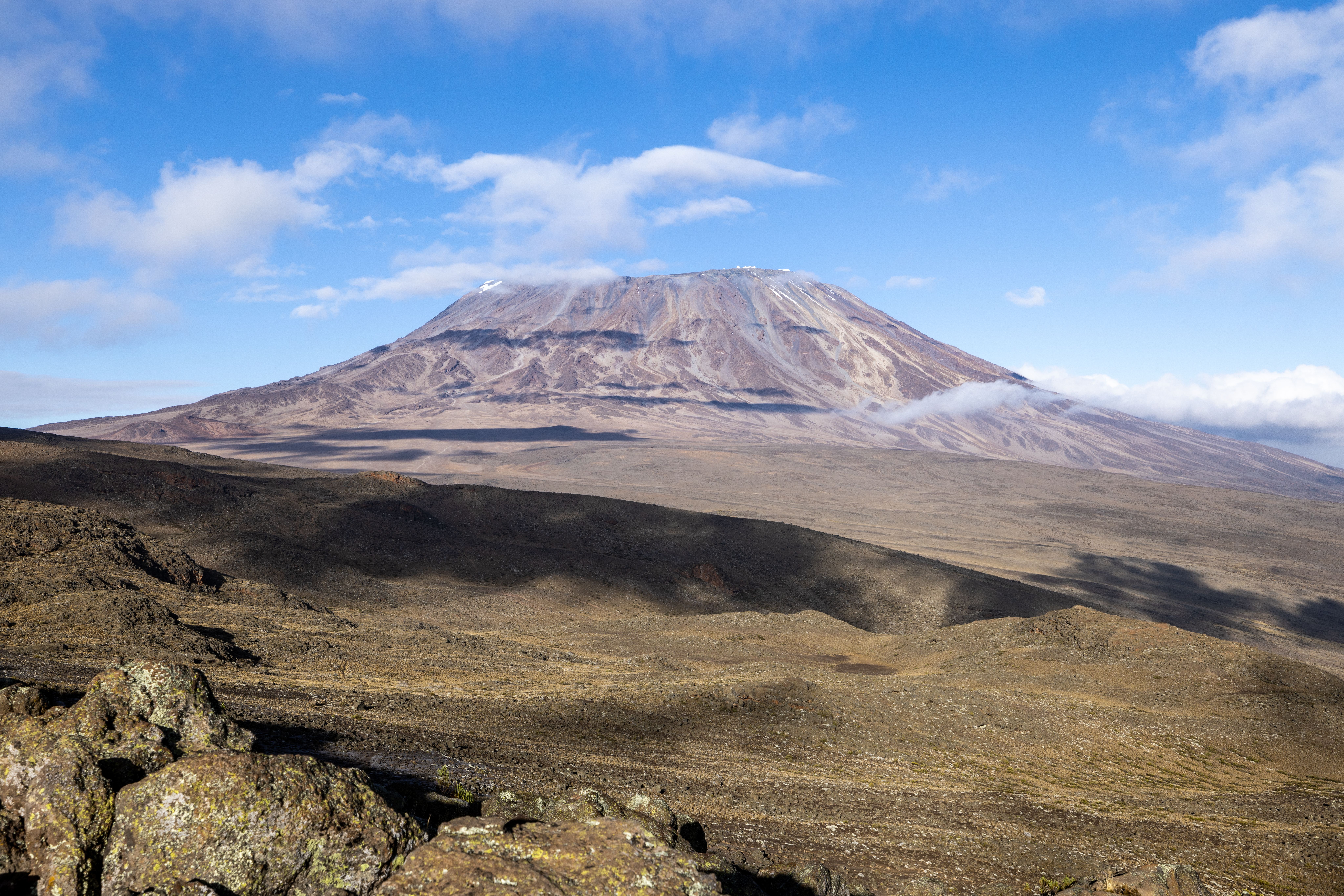
Many people imagine ropes, ice axes, or advanced climbing techniques. In reality, the standard Kilimanjaro routes involve trekking rather than technical mountaineering. The biggest challenge is the altitude, not the terrain.
2. Altitude Is the Real Challenge
Most climbers who turn around do so because of altitude-related illness rather than physical fitness. Headaches, nausea, fatigue, and reduced appetite are common above 3,000 meters. Choosing a longer itinerary gives your body more time to adapt.
3. The Slowest Person Often Has the Best Chance of Summiting
Experienced guides use the phrase "Pole Pole," meaning "slowly, slowly." Walking slowly conserves energy, improves breathing, and supports acclimatization.
4. Route Choice Matters More Than Many Beginners Realize
Not all Kilimanjaro routes are equal. Longer routes generally provide better acclimatization and higher summit success rates. Consider factors such as scenery, crowd levels, camping versus huts, and total days on the mountain before deciding.
5. Summit Night Is the Toughest Part
Most climbers underestimate summit night. You'll begin hiking around midnight in freezing temperatures, often after only a few hours of sleep. Mental preparation is just as important as physical fitness.
6. Good Hiking Boots Can Make or Break Your Experience
Boots should be waterproof, well broken-in, and provide ankle support. Never wear brand-new boots on Kilimanjaro.
7. Layering Clothing Works Better Than One Heavy Jacket
Temperatures vary from tropical rainforest to below freezing near the summit. Wearing multiple layers allows you to adjust comfortably throughout the trek.
8. Hydration Is More Important Than You Think
Drink consistently throughout the day, even if you don't feel thirsty. Proper hydration helps your body adjust to altitude and supports overall performance.
9. Appetite Often Decreases at High Altitude
Even when you're not hungry, try to eat enough carbohydrates and energy-rich foods. Your body burns far more calories than expected during the climb.
10. Mental Strength Matters as Much as Physical Fitness
Training prepares your body, but resilience, patience, and a positive attitude often determine summit success.
11. Your Guides Are Your Greatest Resource
Listen to your guides. They monitor your health, pace, hydration, and acclimatization every day. Their experience is invaluable.
12. Porters Make the Expedition Possible
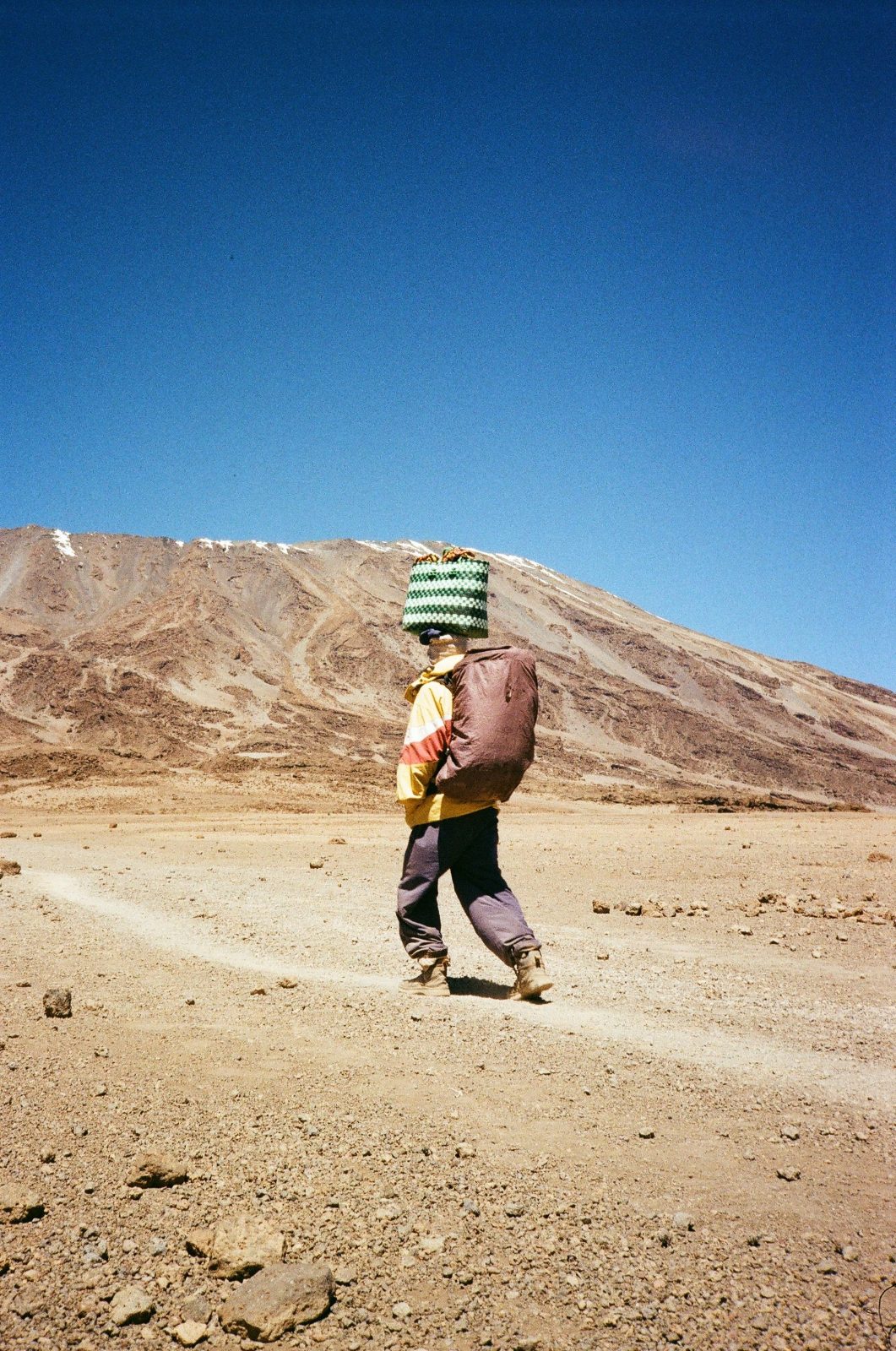
Porters carry tents, food, cooking equipment, and much of the group's gear. Choosing an operator that supports fair porter treatment contributes to a safer and more ethical climb.
13. Weather Can Change Within Minutes
Be prepared for sunshine, rain, wind, and freezing temperatures—all in the same day.
14. Sleeping at Altitude Takes Time to Adjust
Many trekkers experience lighter sleep or wake frequently during the first few nights. This is a normal response to higher elevations.
15. Trekking Poles Reduce Fatigue
Poles improve balance, reduce pressure on your knees during descents, and make long hiking days more comfortable.
16. Sunscreen Is Essential
The sun is stronger at higher elevations. Apply sunscreen regularly, wear sunglasses with UV protection, and protect your lips with SPF lip balm.
17. Quality Gear Is Worth the Investment
Reliable rain gear, warm clothing, gloves, and sleeping bags significantly improve comfort and safety.
18. Fitness Helps—but Doesn't Guarantee Success
Even marathon runners can experience altitude sickness. Focus on endurance training and acclimatization rather than speed.
19. The Mountain Rewards Patience
Don't rush camp routines. Take time to hydrate, eat, stretch, and rest whenever possible.
20. Responsible Tourism Makes a Difference
Choose a licensed local operator that follows safety standards, employs trained guides, and supports responsible porter welfare.
21. Photography Takes Planning
Carry spare batteries, as cold temperatures drain battery life quickly. Keep electronics warm inside your jacket when possible.
22. Don't Compare Yourself to Other Climbers
Everyone adapts to altitude differently. Focus on your own pace and listen to your body.
23. Celebrate Small Milestones
Each camp reached is an achievement. Appreciating the journey makes the summit even more rewarding.
24. Preparation Starts Months Before Arrival
Begin training at least two to four months in advance. Practice hiking with a daypack, improve cardiovascular endurance, and strengthen your legs and core.
25. Reaching Uhuru Peak Is Only Part of the Experience
Many climbers say the friendships, breathtaking landscapes, and personal growth are just as memorable as standing on Africa's highest point.
Final Thoughts
Every Kilimanjaro expedition is unique, but preparation consistently makes the biggest difference. Understanding what experienced trekkers wish they had known can help you avoid common mistakes, feel more confident on the mountain, and enjoy every stage of the journey.
Whether you're still comparing routes or already counting down to departure, investing time in planning, choosing a reputable local operator, and preparing both physically and mentally will give you the best chance of a safe, enjoyable, and successful climb to Uhuru Peak.
Africantrust Safari Team
Tanzania safari planning, Kilimanjaro route advice, Zanzibar travel logistics
Travel Experience
Local destination team with first-hand experience operating Tanzania safaris and mountain climbs.
Last Reviewed
Aug 6, 2026
Frequently Asked Questions
Yes, Kilimanjaro is physically demanding, but it is achievable for many beginners with proper preparation. The biggest challenge is high altitude rather than technical climbing. Choosing a longer route, training consistently, and hiking at a slow pace ("pole pole") significantly improve your chances of reaching Uhuru Peak.
Many climbers wish they had understood how challenging the altitude can be, how important slow pacing is, and how much route selection affects summit success. Others wish they had spent more time training, breaking in their hiking boots, and investing in quality cold-weather gear.
No. Mount Kilimanjaro is a trekking mountain, not a technical climb. You do not need mountaineering skills or climbing equipment, but you should have a reasonable level of fitness and prepare for hiking several hours each day.
Most people should begin training at least 8 to 12 weeks before their climb. Focus on cardiovascular fitness, strength training, hiking with a backpack, and improving endurance through long walks or hill training.
The Lemosho Route and Machame Route are among the best choices for beginners because they provide excellent scenery and better acclimatization. Longer itineraries generally have higher summit success rates than shorter routes.
Choose a route with more acclimatization days, walk slowly, stay hydrated, eat regular meals, avoid alcohol before your climb, and follow your guide's advice. Some travelers also consult their doctor about altitude medication before traveling.
Summit night usually begins around midnight and involves hiking for six to eight hours in freezing temperatures before sunrise. It is often the most physically and mentally demanding part of the expedition, but reaching Uhuru Peak at sunrise is an unforgettable reward.
Temperatures vary dramatically. You may experience tropical conditions in the rainforest and temperatures below -15°C (5°F) near the summit, especially during the night ascent. Layered clothing is essential.
Most guides recommend drinking approximately 3 to 4 liters of water each day. Proper hydration supports acclimatization, reduces fatigue, and helps prevent dehydration at high altitude.
Essential items include waterproof hiking boots, thermal base layers, insulated jackets, waterproof outerwear, warm gloves, trekking poles, a headlamp with spare batteries, sunglasses, sunscreen, a sleeping bag rated for cold temperatures, and a comfortable daypack.
Yes. Comprehensive travel insurance that specifically covers high-altitude trekking, emergency evacuation, and medical treatment is strongly recommended before attempting the climb.
Most quality Kilimanjaro climbs cost between US$2,000 and US$6,000 per person, depending on the route, group size, accommodation before and after the trek, and the level of service provided.
The most popular climbing seasons are January to March and June to October, when weather conditions are generally drier and visibility is excellent. However, Kilimanjaro can be climbed throughout the year.
No. Kilimanjaro National Park regulations require all climbers to be accompanied by a licensed guide. Independent climbing is not permitted.
Choose a reputable local operator, allow enough days for acclimatization, train consistently before your trip, invest in quality gear, stay hydrated, walk slowly, and enjoy the journey rather than focusing only on the summit. These simple decisions greatly increase both your safety and your chances of successfully reaching Uhuru Peak.