Mount Kilimanjaro Country: Which Country Is Mount Kilimanjaro Located In?
One of the most frequently searched questions about Africa's highest mountain is:
"What country is Mount Kilimanjaro in?"
The answer is simple:
Mount Kilimanjaro is located entirely in the United Republic of Tanzania, East Africa.
Standing at 5,895 metres (19,341 feet) above sea level, Mount Kilimanjaro is the highest mountain in Africa and the world's tallest free-standing mountain. Every year, tens of thousands of travelers visit Tanzania to experience its breathtaking landscapes, climb to Uhuru Peak, explore world-famous wildlife parks, and discover the country's rich cultural heritage.
Although Kilimanjaro is close to the Kenya-Tanzania border and can even be seen from parts of southern Kenya on clear days, the entire mountain—including every official climbing route, park entrance, and summit—is located within Tanzania.
If you're planning to climb Kilimanjaro, your adventure will begin in Tanzania.
Where Exactly Is Mount Kilimanjaro?
Mount Kilimanjaro is located in northeastern Tanzania, within Kilimanjaro Region, approximately:
40 km (25 miles) from the town of Moshi
About 85 km (53 miles) from Kilimanjaro International Airport (JRO)
Around 340 km (211 miles) from Tanzania's safari hub of Arusha
Close to the international border with Kenya
The mountain is protected within Kilimanjaro National Park, a UNESCO World Heritage Site that preserves its unique ecosystems, glaciers, forests, alpine deserts, and volcanic peaks.
Its convenient location makes it easy for travelers to combine a Kilimanjaro climb with a classic Northern Tanzania safari or a relaxing Zanzibar beach holiday.
Why Is Mount Kilimanjaro Famous?
Mount Kilimanjaro is famous for far more than its impressive height.
It is one of the world's most iconic trekking destinations because it offers an extraordinary combination of accessibility, natural beauty, and adventure.
Unlike many mountains of similar elevation, climbing Kilimanjaro does not require technical mountaineering skills or previous climbing experience. With proper preparation, good fitness, and experienced local guides, thousands of people successfully reach Uhuru Peak every year.
Travelers are drawn to Kilimanjaro because they can experience:
Africa's highest summit
The world's tallest free-standing mountain
Five distinct ecological zones
Snow-capped peaks near the Equator
Incredible sunrise views from Uhuru Peak
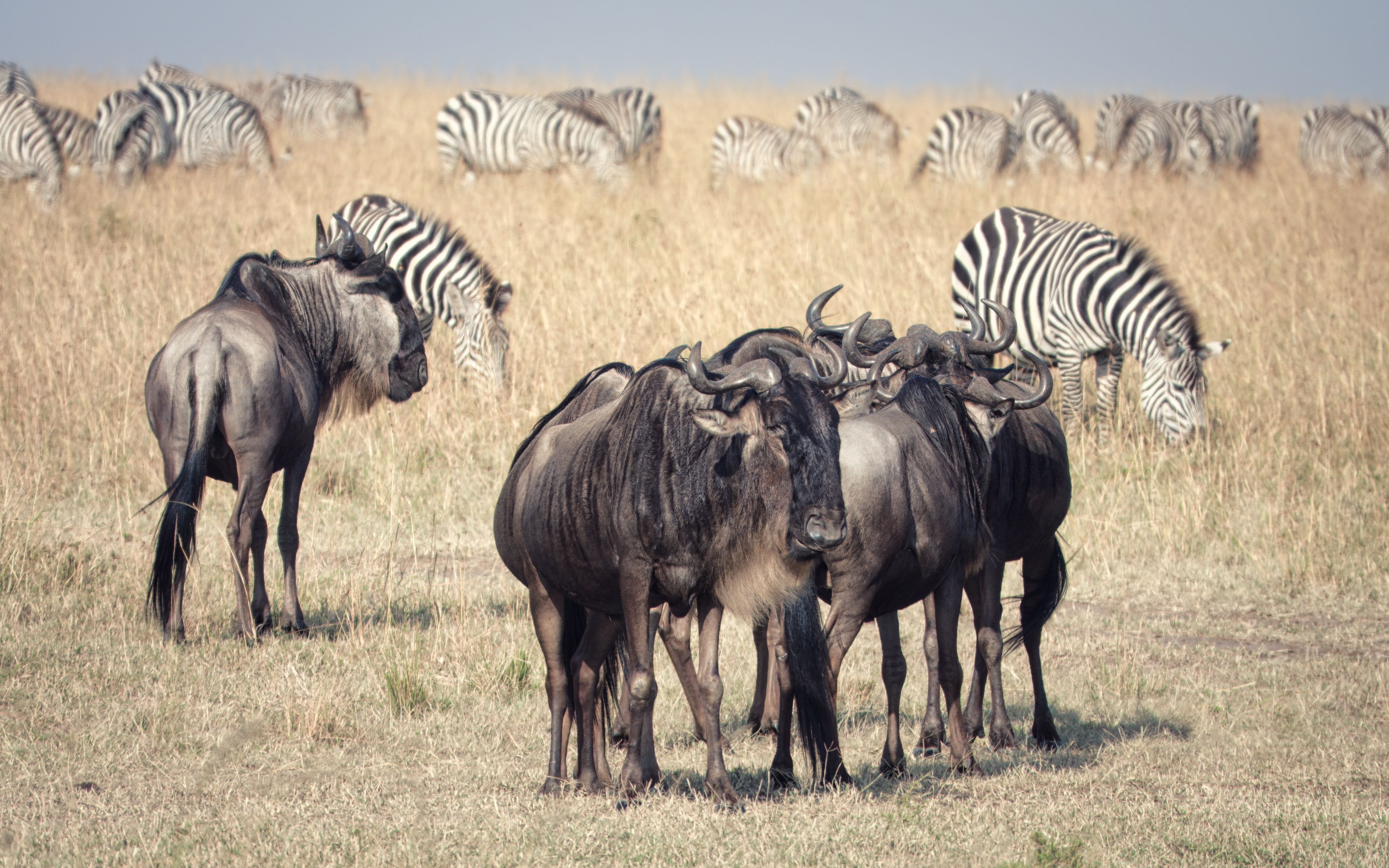
Diverse wildlife in the lower forests
Rich Chagga culture around Moshi
A bucket-list trekking adventure recognized worldwide
For many visitors, reaching the summit is a life-changing achievement that combines physical challenge, breathtaking scenery, and personal accomplishment.
Tanzania: Home of Africa's Highest Mountain
Tanzania is internationally recognized for its remarkable natural attractions, and Mount Kilimanjaro is one of its greatest treasures.
The country is also home to some of Africa's most celebrated destinations, including:
Serengeti National Park
Ngorongoro Crater
Tarangire National Park
Lake Manyara National Park
Zanzibar Island
Mount Meru
Ruaha National Park
Nyerere National Park
This unique combination of mountain trekking, wildlife safaris, cultural experiences, and tropical beaches makes Tanzania one of the world's premier adventure travel destinations.
Many visitors choose to spend several days climbing Kilimanjaro before continuing to a safari or relaxing on Zanzibar's white-sand beaches.
Can You See Mount Kilimanjaro From Kenya?
Yes.
One reason people often ask which country Kilimanjaro belongs to is because the mountain is highly visible from neighboring Kenya.
Popular viewpoints include:
Amboseli National Park
Namanga area
Southern Kenya plains
These spectacular views often create the misconception that Kilimanjaro is located in Kenya.
In reality, the entire mountain—including Uhuru Peak, all official climbing routes, and Kilimanjaro National Park—is located within Tanzania's borders.
Kenya offers some of the best viewpoints, but Tanzania is the only country where visitors can climb Mount Kilimanjaro.
Why Climbers Start Their Journey in Tanzania
Every official Kilimanjaro expedition begins in Tanzania.
Travelers typically arrive via Kilimanjaro International Airport (JRO) before transferring to Moshi, the main gateway town for mountain expeditions.
From Moshi, experienced guides organize:
Pre-climb briefings
Equipment inspections
Health checks
Route planning
Park registration
Transportation to the appropriate park gate
Safety orientation
This well-established infrastructure has made Tanzania one of Africa's leading destinations for trekking tourism.
Why Choosing a Local Tanzanian Operator Matters
Selecting a licensed local operator can make a significant difference to your Kilimanjaro experience.
Local companies understand:
Mountain weather patterns
Route conditions
Altitude management
Emergency procedures
National park regulations
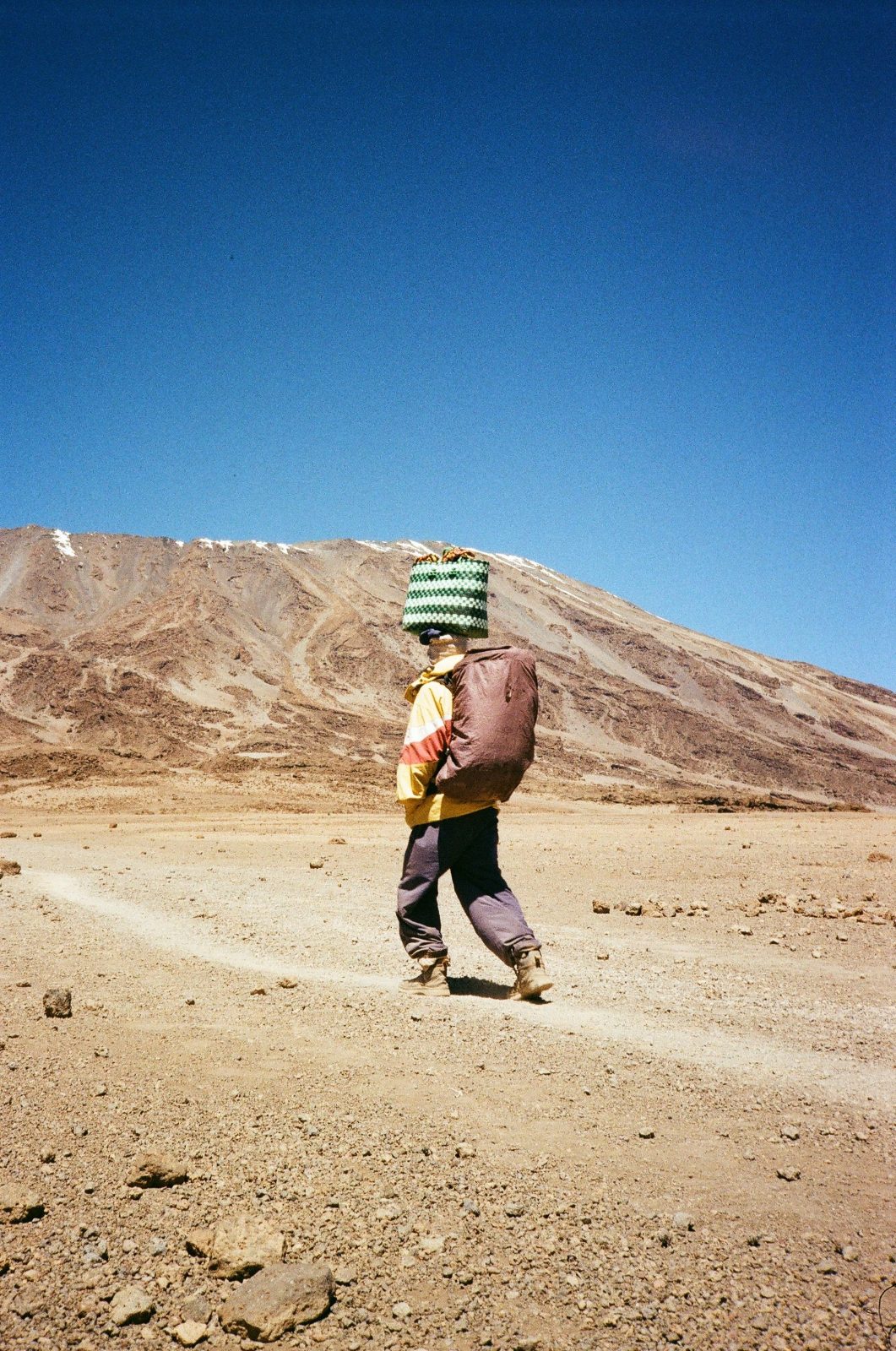
Responsible porter welfare
Local culture and communities
Working directly with a Tanzania-based operator also supports local employment and helps ensure that more of your travel investment benefits the communities surrounding Mount Kilimanjaro.
Why Travelers Choose Africantrust Safari
At Africantrust Safari, Kilimanjaro is more than a destination—it is part of our home.
Our experienced Tanzanian team specializes in professionally guided Kilimanjaro expeditions designed around safety, responsible tourism, and personalized service. Whether you are planning your first high-altitude trek or returning to Tanzania for another adventure, we help you choose the route, itinerary, and support that best match your goals.
Beyond the climb itself, we can also organize wildlife safaris, cultural visits, and Zanzibar holidays, allowing you to experience the very best that Tanzania has to offer in one seamless journey.
Continue Planning Your Kilimanjaro Adventure
Knowing that Mount Kilimanjaro is located in Tanzania is only the beginning of planning your adventure.
The next step is understanding where the mountain sits within Tanzania, how to reach it, the best times to visit, nearby attractions, weather patterns, and practical travel advice Mount Kilimanjaro National Park: Tanzania's Most Famous Mountain Destination
Mount Kilimanjaro is protected within Kilimanjaro National Park, one of Tanzania's most important conservation areas and a UNESCO World Heritage Site. Established to preserve the mountain's unique ecosystems, wildlife, and fragile alpine environment, the park welcomes thousands of climbers and nature enthusiasts from around the world each year.
The park covers approximately 1,688 square kilometers (652 square miles) and protects the mountain from the surrounding montane forests to the glaciers near Uhuru Peak.
Visitors come not only to reach Africa's highest point but also to experience one of the most remarkable ecological journeys on Earth, passing through several distinct climate zones during a single expedition.
Where Is Kilimanjaro National Park Located?
Kilimanjaro National Park lies in northeastern Tanzania within the Kilimanjaro Region, close to the Kenyan border.
Nearby destinations include:
Destination Approximate Distance
Moshi 40 km
Kilimanjaro International Airport (JRO) 45 km
Arusha 85 km
Amboseli National Park (Kenya Border Area) Approximately 80–100 km depending on crossing point
Tarangire National Park About 190 km
Ngorongoro Conservation Area About 250 km
Serengeti National Park About 335 km
This strategic location makes it easy to combine mountain climbing with wildlife safaris and beach holidays.
The Gateway Town: Why Moshi Is the Heart of Kilimanjaro Tourism
Nearly every Kilimanjaro expedition begins in Moshi, a vibrant town located at the foot of the mountain.
Moshi serves as the operational center for climbing expeditions and offers:
Comfortable hotels and lodges
Outdoor equipment rental shops
Local restaurants and cafés
Banks and ATMs
Supermarkets and pharmacies
Coffee farms and cultural tours
Professional mountain operators
Medical facilities
Transportation services
Most climbers spend at least one night in Moshi before beginning their trek and another night after returning from the mountain.
Arusha: Tanzania's Adventure Capital
While Moshi is the closest town to Mount Kilimanjaro, many international visitors also spend time in Arusha, Tanzania's primary safari gateway.
Arusha is ideal for travelers who wish to combine:
Mount Kilimanjaro climbing
Serengeti safaris
Ngorongoro Crater
Tarangire National Park
Lake Manyara National Park
Cultural tourism
Zanzibar holidays
Many Africantrust Safari itineraries begin with a Kilimanjaro climb before continuing to Tanzania's famous Northern Safari Circuit.
How to Get to Mount Kilimanjaro
Reaching Mount Kilimanjaro is relatively straightforward thanks to Tanzania's well-developed tourism infrastructure.
By Air
The nearest airport is:
Kilimanjaro International Airport (JRO)
This airport receives international and regional flights connecting Tanzania with major destinations in Africa, Europe, the Middle East, and beyond.
Alternative arrival airports include:
Julius Nyerere International Airport (Dar es Salaam)
Abeid Amani Karume International Airport (Zanzibar)
Arusha Airport (domestic flights)
By Road
Travel times include:
JRO to Moshi: approximately 45 minutes
Arusha to Moshi: approximately 2 hours
Moshi to Machame Gate: approximately 1 hour
Moshi to Marangu Gate: approximately 45 minutes
Moshi to Londorossi Gate: approximately 3 hours
Moshi to Rongai Gate: approximately 3–4 hours
Professional operators usually arrange these transfers as part of the climbing package.
Mount Kilimanjaro's Five Climate Zones
One of the most fascinating aspects of climbing Kilimanjaro is passing through several dramatically different ecological zones.
Zone Approximate Elevation Characteristics
Cultivation Zone 800–1,800 m Farms, coffee plantations, villages
Rainforest 1,800–2,800 m Dense forest, birds, monkeys
Heath & Moorland 2,800–4,000 m Giant groundsels, open landscapes
Alpine Desert 4,000–5,000 m Rocky terrain, thin air, extreme temperature changes
Arctic Summit Zone Above 5,000 m Glaciers, snow, volcanic rock, Uhuru Peak
Very few mountains in the world allow travelers to experience such dramatic environmental changes within a single trek.
Wildlife Around Mount Kilimanjaro
Although Kilimanjaro is primarily known for trekking, its lower slopes support a surprising variety of wildlife.
Animals occasionally seen include:
Blue monkeys
Black-and-white colobus monkeys
Bushbucks
Duikers
Buffalo
Elephants (in forest areas)
Bush pigs
Numerous bird species
Colorful butterflies
Wildlife sightings are most common in the rainforest zone during the early days of the climb.
The Chagga People and Local Culture
The fertile southern slopes of Mount Kilimanjaro have long been home to the Chagga people, one of Tanzania's largest ethnic communities.
Visitors can enjoy cultural experiences such as:
Coffee farm tours
Traditional Chagga meals
Local markets
Historical caves
Village walks
Waterfall excursions
Cultural museums
Adding a cultural tour before or after your climb provides a deeper understanding of the communities that have lived alongside Kilimanjaro for generations.
Best Time to Visit Mount Kilimanjaro
Mount Kilimanjaro can be climbed throughout the year, but weather conditions vary by season.
Season Conditions Recommended
January–March Cooler temperatures, clearer mornings, occasional snow at the summit Excellent
June–October Dry weather, stable conditions, busiest climbing season Excellent
November Short rains, fewer visitors Moderate
April–May Long rainy season, muddy trails, reduced visibility Less popular but still possible with proper preparation
The ideal time depends on your goals, weather preferences, crowd tolerance, and photography interests.
Why Tanzania Protects Mount Kilimanjaro
Mount Kilimanjaro is one of Tanzania's greatest natural treasures and plays a vital role in biodiversity, tourism, water resources, and scientific research.
Conservation efforts focus on:
Forest protection
Wildlife conservation
Glacier monitoring
Sustainable tourism
Trail maintenance
Waste management
Responsible climbing practices
Community involvement
Travelers contribute to these conservation efforts through park fees that support environmental management and visitor facilities.
Plan Your Kilimanjaro Adventure with Africantrust Safari
Choosing the right local operator is just as important as choosing the right route.
Africantrust Safari provides professionally guided Kilimanjaro expeditions with:
Licensed and experienced mountain guides
Personalized route recommendations
Airport transfers
Accommodation assistance
High-quality mountain equipment
Nutritious meals during the trek
Daily health monitoring
Emergency oxygen and safety equipment
Ethical porter treatment
Flexible itineraries that can be combined with safaris and Zanzibar holidays
Whether you are climbing for charity, adventure, personal achievement, or as part of a once-in-a-lifetime African journey, our local team is committed to helping you experience Mount Kilimanjaro safely and responsibly.all of which will help you prepare for an unforgettable journey to the Roof of Africa.
Africantrust Safari Team
Tanzania safari planning, Kilimanjaro route advice, Zanzibar travel logistics
Travel Experience
Local destination team with first-hand experience operating Tanzania safaris and mountain climbs.
Last Reviewed
Aug 6, 2026