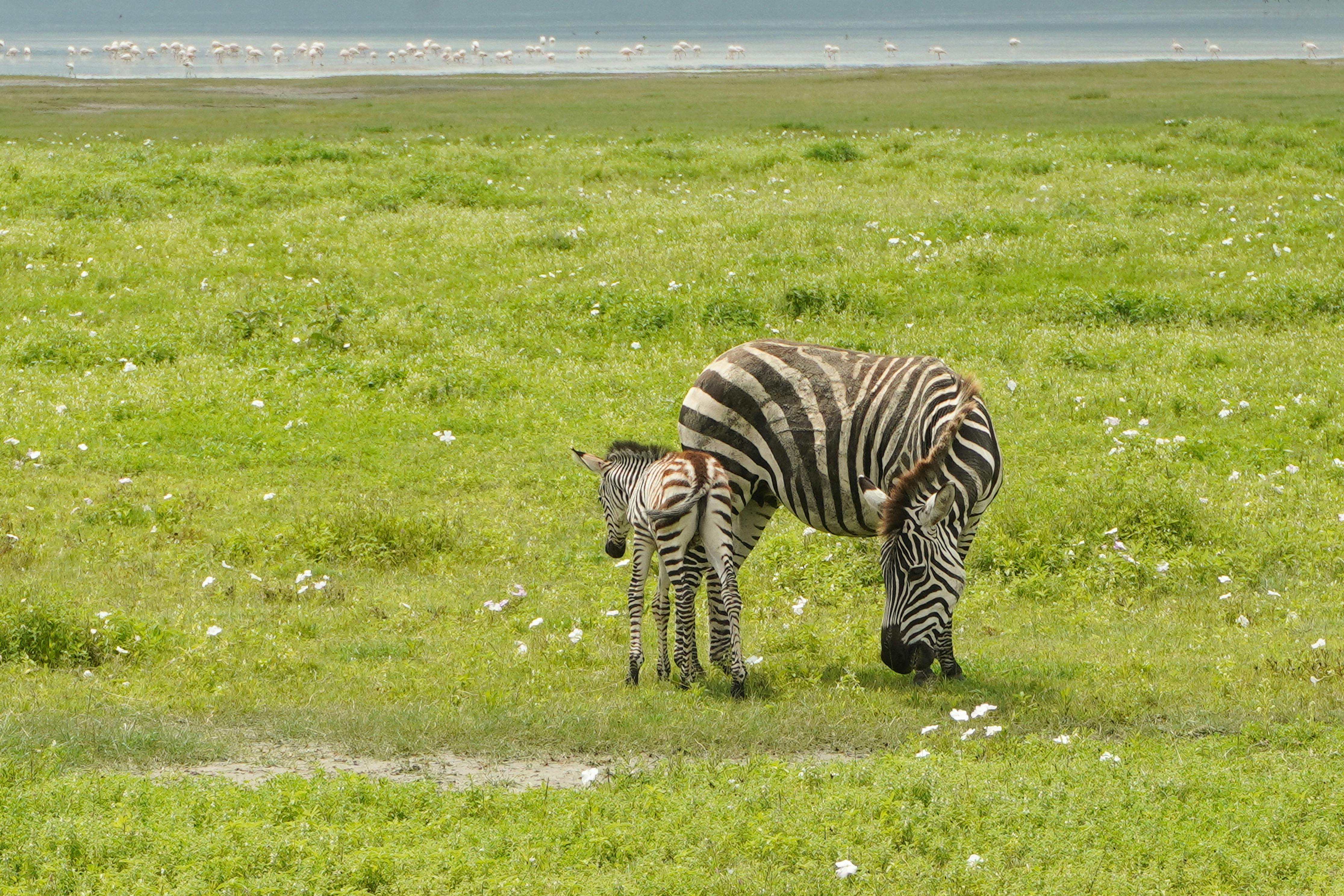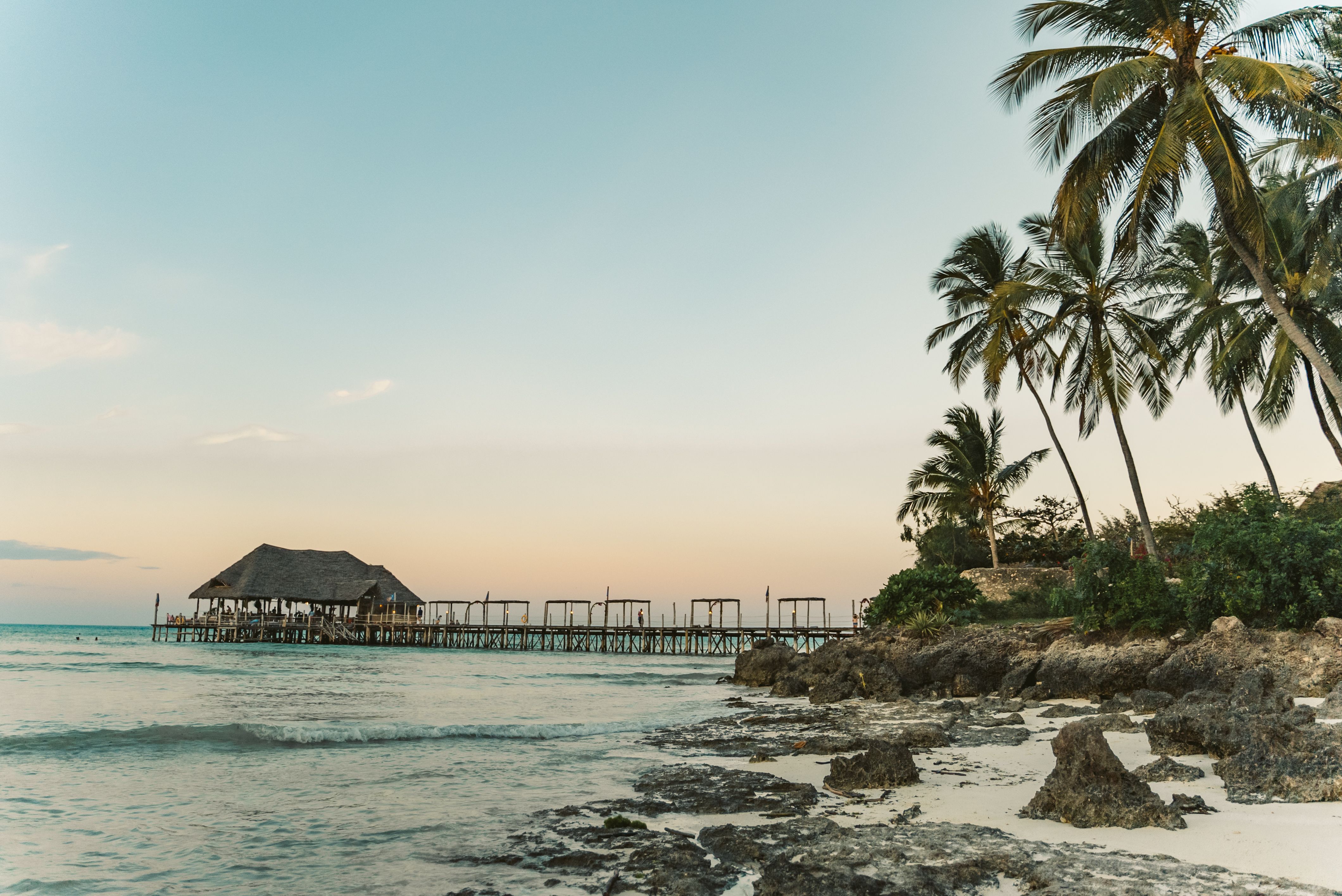
Preparation is the key to a successful Tanzania adventure. Whether you are climbing Kilimanjaro, exploring the Serengeti, or relaxing in Zanzibar, understanding local conditions, respecting culture, and traveling responsibly will ensure a safe, smooth, and unforgettable experience.
THE EXPERIENCE
Safari Overview
Why Climbing Mount Kilimanjaro Is One of the World's Greatest Adventures
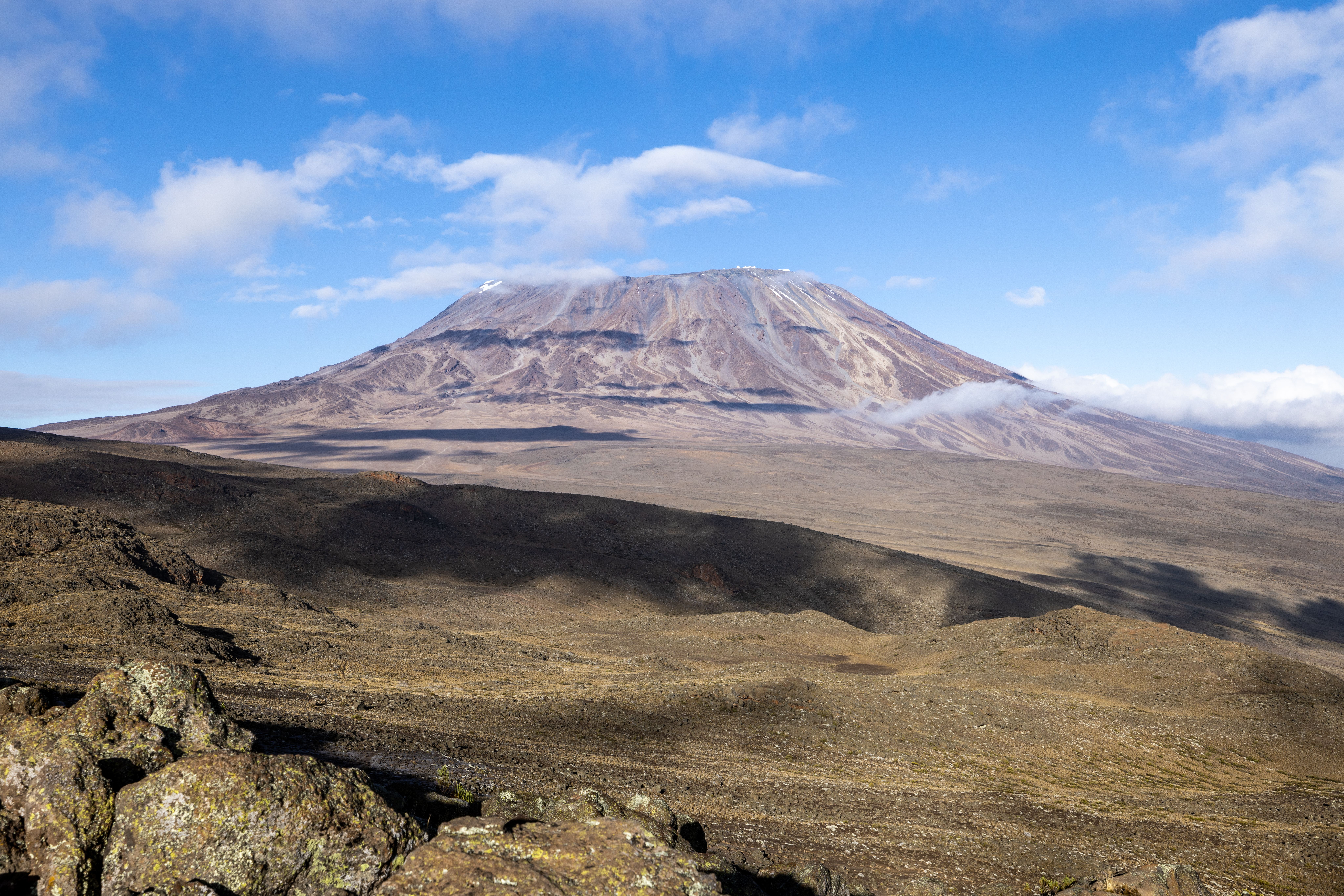
Rising majestically above the plains of northern Tanzania, Mount Kilimanjaro stands as the highest mountain in Africa and one of the most sought-after trekking destinations on Earth. At 5,895 meters (19,341 feet), this iconic free-standing mountain attracts thousands of adventurers every year who dream of standing on the legendary summit of Uhuru Peak.
Unlike many of the world's highest mountains, Kilimanjaro does not require technical climbing skills, ropes, or mountaineering experience. This unique characteristic makes it accessible to a wide range of travelers, from first-time trekkers to experienced hikers seeking an unforgettable challenge. However, reaching the summit still demands determination, proper preparation, and expert guidance.
For travelers planning a Kilimanjaro expedition in 2026, understanding the available routes, climbing costs, safety considerations, and summit success rates is essential. This comprehensive guide from AfricanTrust Safari provides everything you need to know before embarking on your journey to the Roof of Africa.
Understanding Mount Kilimanjaro
Africa's Highest Mountain
Located within Kilimanjaro National Park near the town of Moshi, Mount Kilimanjaro is a dormant volcanic mountain composed of three volcanic cones:
Kibo
Kibo is the highest and most famous cone, home to Uhuru Peak and the destination for all summit attempts.
Mawenzi
Mawenzi is the rugged and dramatic eastern peak known for its jagged volcanic formations.
Shira
Shira is the oldest cone and has largely eroded into the spectacular Shira Plateau, one of the most scenic sections of several climbing routes.
The mountain is part of a UNESCO World Heritage Site and represents one of Tanzania's most valuable natural treasures. Every year, visitors from around the world come to experience its breathtaking landscapes, diverse ecosystems, and life-changing summit challenge.
A Journey Through Five Climate Zones
One of the most remarkable aspects of climbing Kilimanjaro is experiencing multiple ecological zones during a single trek.
Cultivated Zone
The lower slopes are surrounded by fertile farmland where local Chagga communities cultivate coffee, bananas, maize, and vegetables.
Travelers often begin their journey by passing through traditional villages that offer insights into local culture and everyday life.
Rainforest Zone
Dense tropical rainforest covers the lower mountain slopes.
This zone is rich in biodiversity and offers opportunities to see:
Blue monkeys
Colobus monkeys
Tropical birds
Exotic plants
Giant ferns
The lush greenery creates an entirely different atmosphere from the alpine environments found higher on the mountain.
Heath and Moorland Zone
As the rainforest gradually disappears, hikers enter a surreal landscape characterized by:
Giant groundsels
Lobelias
Open grasslands
Expansive mountain vistas
This zone provides some of the most photogenic scenery on Kilimanjaro.
Alpine Desert Zone
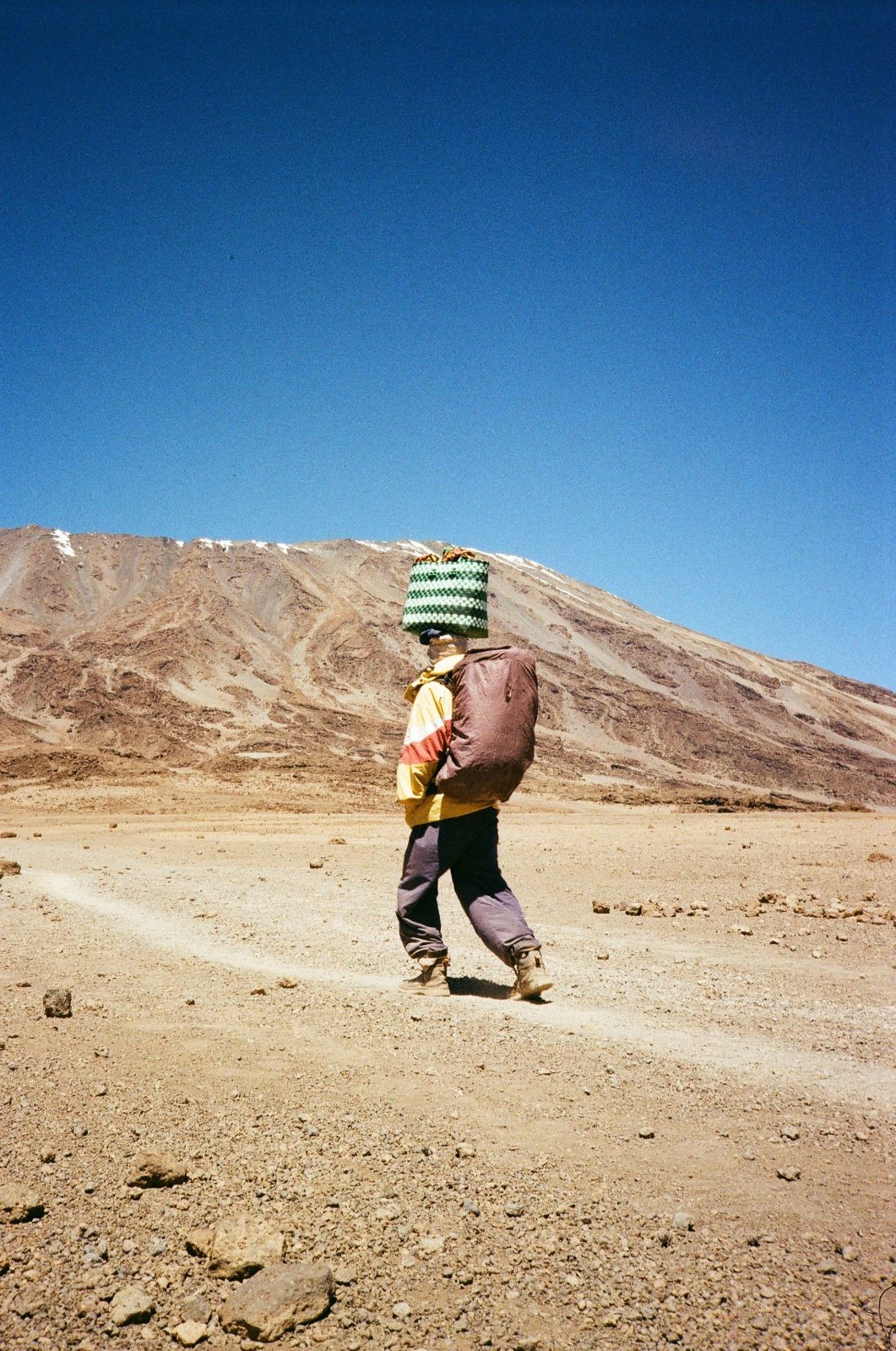
Higher elevations reveal a stark yet beautiful landscape of volcanic rock, sparse vegetation, and dramatic mountain views.
Daytime temperatures can be surprisingly warm, while nighttime temperatures often drop below freezing.
Arctic Summit Zone
Near the summit, climbers enter an environment that resembles a polar landscape.
Here, they encounter:
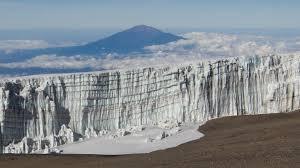
Glacial remnants
Snowfields
Ice formations
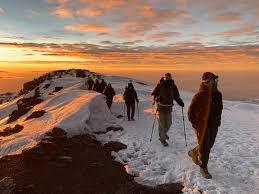
Stunning sunrise views
This dramatic transformation from tropical rainforest to arctic conditions is one of Kilimanjaro's most unique features.
Choosing the Best Kilimanjaro Route
Selecting the right route can significantly impact your overall experience and summit success rate.
Lemosho Route
Often considered the most scenic route on Kilimanjaro, the Lemosho Route approaches from the western side of the mountain.
Advantages include:
Excellent acclimatization profile
Lower crowd levels
Spectacular scenery
High summit success rates
The route crosses the famous Shira Plateau and joins the Machame Route later in the trek.
This is frequently recommended for first-time climbers seeking the highest chance of reaching Uhuru Peak.
Machame Route
Known as the "Whiskey Route," the Machame Route is one of the most popular Kilimanjaro trails.
Highlights include:
Diverse landscapes
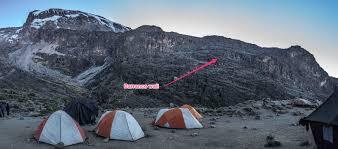
Barranco Wall
Lava Tower
Excellent summit success rates
Memorable camping experience
Because of its favorable acclimatization schedule, Machame consistently performs better than shorter routes.
Marangu Route
Often called the "Coca-Cola Route," Marangu is unique because climbers sleep in mountain huts rather than tents.
Benefits include:
Comfortable hut accommodation
Shorter itinerary options
Suitable for travelers preferring indoor lodging
However, shorter schedules often result in lower summit success rates compared to longer routes.
Rongai Route
Approaching from the northern side near the Kenyan border, Rongai is one of the quietest Kilimanjaro routes.
Advantages include:
Less crowded trails
Drier conditions
Gradual ascent profile
Good wildlife viewing opportunities
It is particularly attractive during rainy seasons.
Northern Circuit Route
The Northern Circuit offers the highest overall summit success rates.
Advantages include:
Longest acclimatization period
Exceptional scenery
Remote wilderness experience
Fewer climbers
For those prioritizing summit success above all else, the Northern Circuit is often considered the best option.
Umbwe Route
Umbwe is the steepest and most challenging route.
Although scenic and adventurous, it is generally recommended only for experienced trekkers due to its rapid ascent profile and increased altitude-related risks.
THE BEST OF THIS JOURNEY
Tour Highlights
- Climb Africa's highest mountain at 5,895 meters (19,341 feet)
- Reach the famous Uhuru Peak summit sign
- Trek through five unique ecological zones in a single expedition
- Explore the UNESCO-listed Kilimanjaro National Park
- Choose from multiple world-famous Kilimanjaro routes
- Experience breathtaking sunrise views above the clouds
- Walk through lush tropical rainforest filled with wildlife
- Discover the scenic Shira Plateau and alpine landscapes
- Conquer the legendary Barranco Wall
- Enjoy spectacular views of Kibo and Mawenzi peaks
- Benefit from professional mountain guides and safety monitoring
- Increase summit success with expert acclimatization strategies
- Capture incredible photography opportunities from rainforest to glaciers
- Meet friendly local Chagga communities near the mountain
- Enjoy freshly prepared mountain meals during the trek
- Experience unforgettable stargazing at high-altitude camps
- Combine your climb with a Tanzania safari adventure
- Extend your journey to the beaches of Zanzibar
- Earn an official Kilimanjaro summit certificate
- Create lifelong memories on one of the world's greatest trekking adventures
AT A GLANCE
Tour Information
- Starting Location
- Moshi Most Kilimanjaro adventures begin in Moshi, the gateway town to Mount Kilimanjaro. Located on the mountain's southern slopes, Moshi offers comfortable hotels, gear rental facilities, restaurants, banks, and easy access to all major Kilimanjaro routes. Travelers typically arrive via: Kilimanjaro International Airport (JRO) Arusha Airport (ARK) Julius Nyerere International Airport in Dar es Salaam Airport transfers are available through AfricanTrust Safari.
- Ending Location
- Moshi After descending from Mount Kilimanjaro, climbers return to Moshi for: Summit certificate presentation Celebration dinner Hotel accommodation Optional safari extension Optional Zanzibar beach holiday
- Best Time To Visit
- Mount Kilimanjaro can be climbed year-round, but some months provide significantly better conditions. Best Seasons January to March Advantages: Cooler temperatures Fewer climbers Clear summit views Beautiful snow coverage near the summit Ideal for: Photographers Experienced trekkers Travelers seeking quieter trails June to October Advantages: Dry weather Excellent visibility Most popular climbing season Comfortable trekking conditions Ideal for: First-time climbers Families Group departures November Short rains may occur. Advantages: Fewer crowds Lower prices Green landscapes March–May Long rainy season. Possible benefits: Fewer visitors Unique photography opportunities Challenges: Muddy trails Reduced visibility
- Tour Type
- Adventure Trekking Expedition This package is suitable for: Adventure travelers Mountain climbers Nature enthusiasts Bucket-list travelers Charity challenge groups Solo travelers Couples Friends Corporate teams Travel Style Guided Trekking Multi-Day Mountain Expedition Private Tours Group Tours Luxury Climbs Budget Climbs Eco-Friendly Travel
- Difficulty
- Moderate to Challenging Rating: 7/10 Climbing Kilimanjaro does not require technical mountaineering skills. No: Ropes Ice axes Rock climbing experience are normally required. However, climbers must contend with: High altitude (5,895m) Long walking days Summit night challenge Cold temperatures Physical endurance demands Suitable For ✔ Active beginners ✔ Hikers ✔ Adventure travelers ✔ Experienced trekkers ✔ Physically fit individuals
- Group Size
- Private Climbs 1–12 Travelers Benefits: Flexible schedule Personalized support Private guides Customized pace Small Group Climbs 2–8 Travelers Benefits: Social atmosphere Cost sharing Better acclimatization management Large Groups 10–20+ Travelers Suitable for: Charity events School expeditions Corporate teams Fundraising climbs
- Child Policy
- 10 Years According to Kilimanjaro National Park regulations, children under 10 are generally not permitted to climb Mount Kilimanjaro. Recommended Age Range 12 years and above Children should: Be physically fit Have hiking experience Be accompanied by parents or guardians Family-Friendly Recommendations Families often achieve higher success rates on: Lemosho Route Rongai Route Northern Circuit Route due to better acclimatization profiles.
MOMENTS FROM THE ROAD
Tour Gallery

CLEAR, PERSONALIZED PRICING
Safari Price
FromUSD 1,850 Per Person
Final pricing depends on travel dates, number of travelers, accommodation category and availability.
Request a personalized quote →KNOW WHAT IS INCLUDED
Inclusions & Exclusions
Included
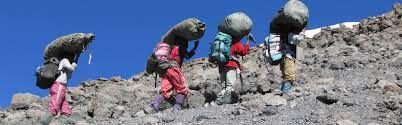
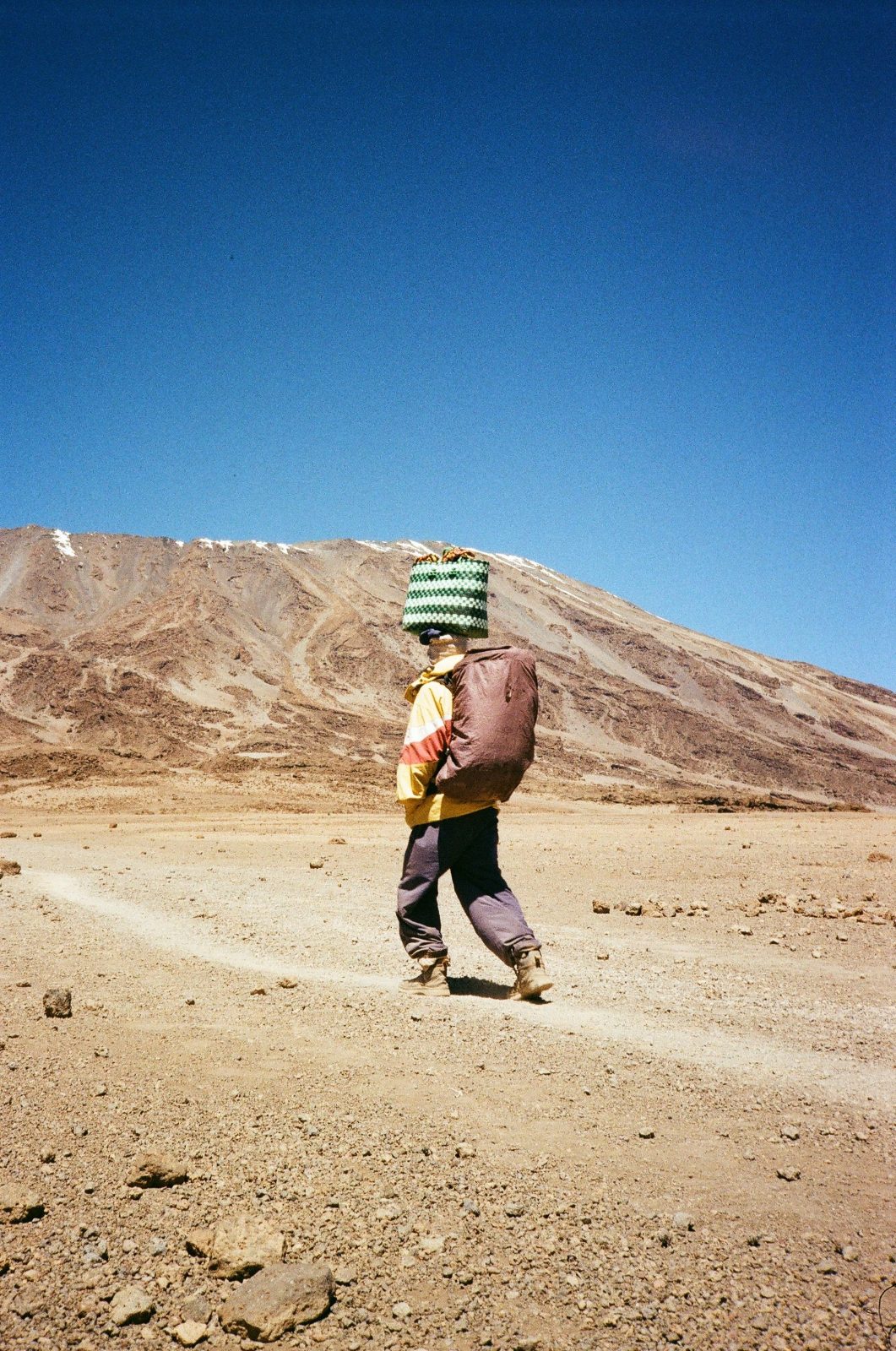
- 1. Professional Mountain Crew Your Kilimanjaro climb includes a full support team: Certified professional mountain guides Assistant guides for safety and support Experienced porters for luggage and equipment Professional mountain cooks Camp managers for logistics coordination Why it matters: A strong crew ensures safety, comfort, and higher summit success rates.
- 2. Park Fees & Government Charges All essential Kilimanjaro National Park fees are included: Entrance fees to Kilimanjaro National Park Camping or hut accommodation fees Rescue fees (mandatory park requirement) Conservation fees Crater/route transit fees (where applicable) Why it matters: These fees are mandatory and form a significant portion of the total cost.
- 3. Accommodation Before & After Climb Hotel accommodation in Moshi (before trek) Hotel accommodation after summit descent Breakfast included at hotel stays (depending on package type)
- 4. Airport Transfers Pick-up from Kilimanjaro International Airport (JRO) Transfer back to airport after tour completion Private transport in comfortable safari vehicles
- 5. Mountain Accommodation Depending on route selection: High-quality camping tents OR mountain huts (Marangu route) Sleeping mats (standard trekking grade) Dining tent with table and chairs Toilet tent (on request or premium packages)
- 6. Meals During Trek Full board meals during the climb: Breakfast, lunch, and dinner daily Hot drinks (tea, coffee, hot chocolate) Energy-rich summit snacks Special dietary options (vegetarian/vegan on request)
- 7. Drinking Water Treated and boiled drinking water provided daily Safe hydration support throughout the trek
- 8. Safety Equipment Pulse oximeter monitoring Emergency oxygen supply First aid kit Communication devices (radio where applicable) Emergency evacuation coordination
- 9. Guide Briefings & Support Pre-climb briefing in Moshi Daily trekking briefings Altitude awareness education Safety and emergency instruction
- 10. Climbing Certificate Official Kilimanjaro summit certificate issued upon completion Recognition of successful ascent to Uhuru Peak
- 11. Safety Monitoring Daily health checks (pulse, oxygen levels) Altitude sickness monitoring Guide decision-making support for safety
- 12. Rescue Support Coordination Mountain evacuation support via park rescue system Emergency descent assistance if required
- 13. Camping Equipment (Shared) Dining tents Kitchen equipment Cooking gas and utensils Tables and chairs
Not Included
- 1. International Flights Flights to and from Tanzania are not included Travelers must book their own airfare
- 2. Visa Fees Tanzania visa costs are not included Available online or on arrival
- 3. Travel Insurance Mandatory for Kilimanjaro climbs Must include high-altitude trekking and evacuation cover
- 4. Personal Expenses Souvenirs Snacks outside provided meals Laundry services Alcoholic beverages Soft drinks (in some camps/lodges)
- 5. Tips & Gratuities Tipping for guides, porters, and crew is not included. Recommended (approximate): Guides: $20–$25 per day Assistant guides: $15–$20 per day Porters: $8–$12 per day Cook: $15–$20 per day
- 6. Additional Hotel Nights Extra nights in Moshi before or after the climb (if not included in package) Upgrades to luxury accommodation
- 7. Personal Trekking Gear Not included items: Hiking boots Sleeping bags (unless upgraded package) Trekking poles Jackets and clothing Headlamps Backpacks (These can be rented or purchased locally in Moshi.)
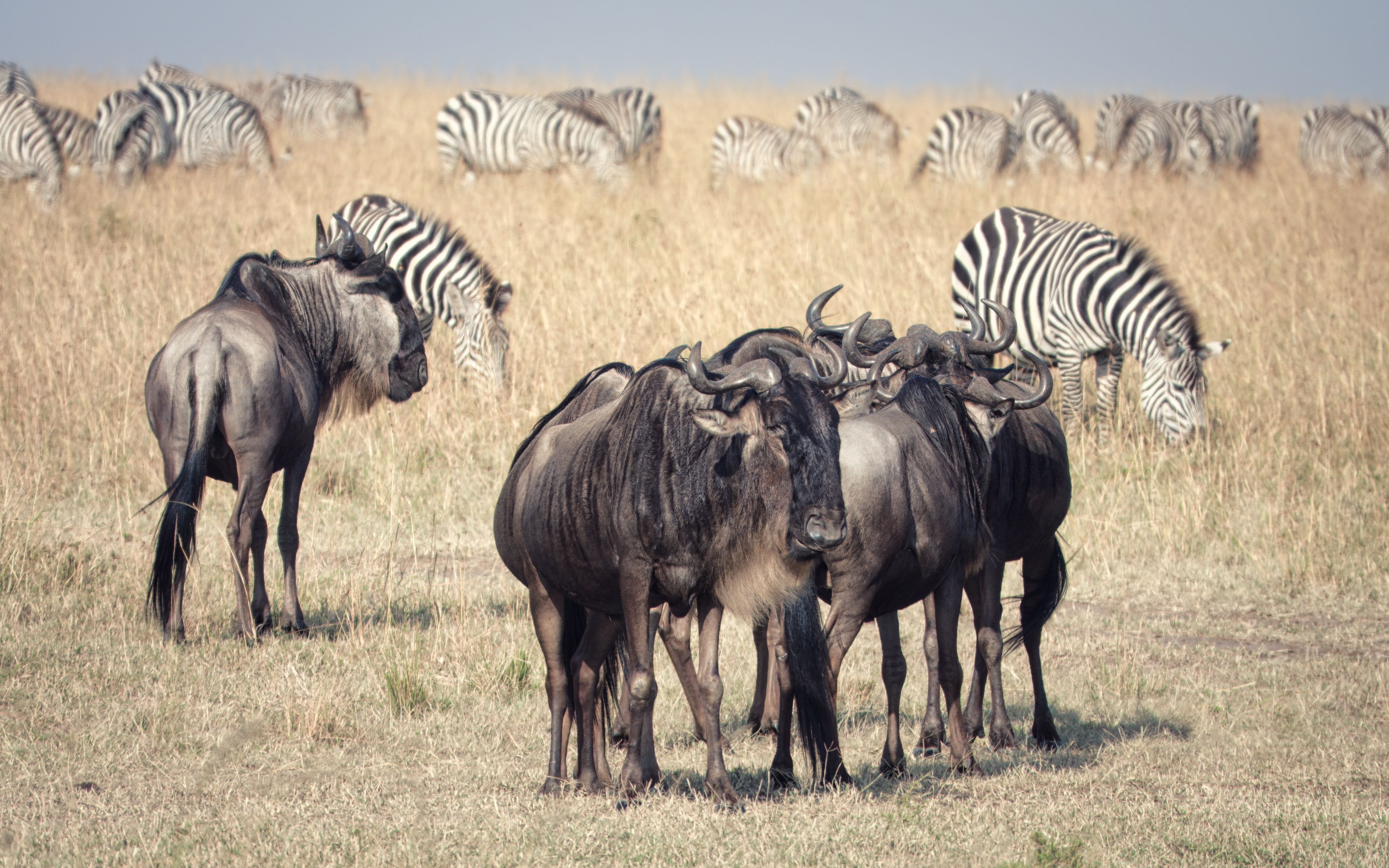
- 8. Optional Activities Safari extensions (Serengeti, Ngorongoro, etc.) Zanzibar beach holidays Cultural village tours Coffee farm tours
BEFORE YOU TRAVEL
Important Travel Information
PREPARE FOR THE JOURNEY
Packing List
- Travel Documents Passport Valid for at least 6 months beyond your travel dates. Must have sufficient blank pages for entry and exit stamps. Why It's Important Required for entry into Tanzania and for domestic flights, hotel check-ins, and certain activities.
- Visa Documents Tanzania Visa approval (if applicable). Copies of visa documents. Why It's Important Immigration authorities may request proof of visa approval.
- Travel Insurance Certificate Printed copy Digital copy stored on your phone Why It's Important Provides access to emergency medical assistance and trip protection.
- Flight Tickets and Confirmations International flight itinerary Domestic flight confirmations Tour vouchers Why It's Important Useful during airport check-ins and travel transitions.
- Emergency Contact Information Carry details for: Family contacts Travel insurance provider AfricanTrust Safari emergency contacts
- Clothing Lightweight T-Shirts Recommended: 4–7 pieces Why They're Useful Comfortable for warm safari days and general travel.
- Long-Sleeved Shirts Recommended: 2–4 pieces Why They're Useful Provide protection from: Sun exposure Insects Dust
- Comfortable Trousers Recommended: 2–4 pairs Why They're Useful Ideal for safaris, cultural tours, and travel days.
MAKE THE MOST OF IT
Travel Tips
1. Check Visa Requirements Before Traveling Most visitors require a visa to enter Tanzania. Check the latest visa requirements for your nationality well before departure and ensure your passport is valid for at least six months beyond your travel dates.
2. Purchase Comprehensive Travel Insurance Travel insurance is strongly recommended and should cover: Medical emergencies Trip cancellation Lost luggage Emergency evacuation Adventure activities such as Kilimanjaro trekking
3. Carry Both Cash and Cards While major hotels and lodges accept credit cards, smaller businesses and local markets may prefer cash. Carry: US Dollars (newer notes issued after 2009) Tanzanian Shillings (TZS)
4. Use Small Denomination Currency Small bills are useful for: Tipping Local purchases Souvenirs Snacks Community visits
5. Respect Local Culture Tanzania is known for its warm hospitality and diverse cultures. Visitors should: Dress respectfully in villages and towns Ask permission before photographing people Respect local customs and traditions
6. Learn Basic Swahili Phrases A few simple phrases can enhance your experience: Jambo – Hello Habari – How are you? Asante – Thank you Karibu – Welcome Pole Pole – Slowly slowly Locals appreciate visitors who make an effort to speak Swahili.
7. Stay Hydrated The African climate can be hot and dry. Drink plenty of water throughout your trip, especially during safaris and mountain treks.
8. Use Bottled or Purified Water Avoid drinking untreated tap water. Use: Bottled water Filtered water Purified water supplied by your tour operator
9. Protect Yourself from the Sun The equatorial sun can be intense. Bring: Sunscreen Sunglasses Wide-brim hat Lightweight long-sleeved clothing
10. Pack Layers of Clothing Tanzania's temperatures vary significantly. You may experience: Hot safari afternoons Cool evenings Cold mountain temperatures on Kilimanjaro Layering is the best approach.
11. Bring Comfortable Walking Shoes Even safari travelers often walk around lodges, airports, and attractions. Good footwear improves comfort throughout your trip.
12. Follow Your Guide's Instructions Your guide is trained to ensure your safety and maximize your experience. Always follow guidance regarding: Wildlife viewing Mountain trekking Cultural visits Safety procedures
13. Keep Valuables Secure Use hotel safes when available and avoid displaying expensive jewelry or large amounts of cash.
14. Carry a Daypack A small daypack is useful for: Water Camera Passport copies Snacks Sunscreen
15. Prepare for Early Mornings Many safari activities begin early when wildlife is most active. Expect some early wake-up calls.
16. Bring Extra Camera Batteries Power may not always be available during camping safaris or mountain treks. Extra batteries and power banks are highly recommended.
17. Carry a Universal Travel Adapter Tanzania commonly uses Type D and Type G electrical sockets with a 230V supply. A universal adapter helps avoid charging issues.
18. Be Patient with Travel Times Road conditions and wildlife sightings can affect schedules. Flexibility is part of the adventure.
19. Tip Service Staff Appropriately Tipping is appreciated throughout Tanzania. This includes: Safari guides Drivers Hotel staff Porters Kilimanjaro mountain crews
20. Respect Wildlife at All Times Never: Feed animals Touch wildlife Leave vehicles without permission Make loud noises near animals
21. Keep a Safe Distance from Animals Even seemingly calm animals can behave unpredictably. Always follow wildlife viewing guidelines.
22. Book Kilimanjaro Climbs Well in Advance Popular climbing seasons often fill quickly. Booking early provides: Better availability More route options Better accommodation choices
in Before Climbing Kilimanjaro Regular exercise before your trip significantly improves your climbing experience and summit chances.
24. Walk Slowly on Kilimanjaro The famous Swahili phrase "Pole Pole" is key to success. Slow walking helps your body adapt to altitude.
25. Eat Even When You Don't Feel Hungry At altitude, appetite often decreases. Maintaining calorie intake is important for energy and acclimatization.
26. Protect Electronics from Dust Safari roads can be dusty. Store cameras and electronics in protective bags when not in use.
27. Bring Binoculars Binoculars greatly enhance wildlife viewing experiences. You'll appreciate them during safaris and birdwatching excursions.
28. Expect Limited Internet in Remote Areas Many lodges offer Wi-Fi, but connectivity may be slower than in major cities. Remote camps may have little or no internet access.
29. Purchase a Local SIM Card Mobile networks are generally reliable in towns and cities. Popular providers include: Vodacom Tanzania Airtel Tanzania Tigo Tanzania A local SIM card can provide affordable internet access.
30. Bring Personal Medications Carry enough medication for your entire trip and keep it in your hand luggage. Bring copies of prescriptions if necessary.
31. Respect the Environment Help preserve Tanzania's natural beauty by: Avoiding littering Reducing plastic waste Following Leave No Trace principles Supporting responsible tourism
32. Explore Beyond the Safari Consider combining your adventure with: Mount Kilimanjaro Serengeti National Park Ngorongoro Crater Zanzibar to experience the very best of Tanzania.
GOOD TO KNOW
Frequently Asked Questions
"How much does it cost to climb Kilimanjaro?"
The answer depends on several factors, including route selection, group size, service level, and operator quality.
Budget Climbs
Typical range:
USD $1,800–$2,400
These packages usually include:
Shared departures
Standard camping
Essential services
Professional guides
Mid-Range Climbs
Typical range:
USD $2,500–$4,000
Benefits often include:
Smaller groups
Better equipment
Enhanced meals
Additional safety resources
Luxury Kilimanjaro Climbs
Typical range:
USD $4,500–$8,000+
Luxury expeditions may offer:
Premium tents
Private toilet facilities
High-end accommodation
Personalized support
Enhanced mountain services
Why Kilimanjaro Climbing Costs More Than Many Travelers Expect
Many first-time visitors are surprised by Kilimanjaro pricing.
However, much of the cost comes from mandatory government fees and logistics.
Major expenses include:
National Park Fees
Every climber must pay:
Conservation fees
Camping fees
Rescue fees
Park entrance fees
These fees directly support conservation efforts within Kilimanjaro National Park.
Mountain Crew
A typical climbing team includes:
Lead guide
Assistant guides
Porters
Camp staff
Mountain chef
A single climber may be supported by several crew members to ensure safety and comfort throughout the expedition.
Safety Equipment
Professional operators invest heavily in:
Oxygen systems
Pulse oximeters
Emergency evacuation procedures
First aid equipment
Staff training
Safety should never be compromised in pursuit of lower prices.
The Importance of Choosing a Reputable Kilimanjaro Operator
Not all Kilimanjaro operators provide the same level of service.
When evaluating companies, travelers should consider:
Safety record
Guide qualifications
Crew welfare standards
Summit success rates
Client reviews
Emergency preparedness
AfricanTrust Safari prioritizes responsible tourism, professional guiding, ethical porter treatment, and client safety to ensure a memorable and successful Kilimanjaro experience.
Is Climbing Kilimanjaro Safe?
One of the most frequently asked questions by travelers planning a Kilimanjaro adventure is whether climbing Africa's highest mountain is safe. The short answer is yes—when the climb is properly organized, guided by experienced professionals, and completed on an itinerary that allows sufficient acclimatization.
Unlike technical mountaineering peaks that require ropes, ice axes, and advanced climbing skills, Mount Kilimanjaro is primarily a high-altitude trekking mountain. The greatest challenge is not steep terrain but the effects of altitude. This is why route selection, pacing, hydration, and professional medical monitoring are critical factors in a successful expedition.
At AfricanTrust Safari, safety is placed above all other considerations. Every climb is designed around internationally recognized mountain safety practices, ensuring that clients receive expert support from arrival in Tanzania to their return from the mountain.
Key Safety Measures Include
Certified and experienced mountain guides
Daily health monitoring
Pulse oximeter checks
Emergency oxygen availability
Comprehensive first aid kits
Altitude awareness training
Emergency evacuation procedures
Proper acclimatization schedules
Nutritious mountain meals
Safe drinking water throughout the trek
The majority of climbers who follow guide instructions and choose appropriate routes complete their Kilimanjaro adventure safely and successfully.
Understanding Altitude Sickness on Kilimanjaro
Altitude sickness is the primary reason some climbers fail to reach the summit of Kilimanjaro.
As elevation increases, oxygen levels decrease significantly. By the time trekkers approach Uhuru Peak, oxygen availability is roughly half of what it is at sea level.
Common symptoms may include:
Headaches
Fatigue
Dizziness
Nausea
Loss of appetite
Difficulty sleeping
These symptoms are relatively common and often manageable when identified early.
How to Reduce Altitude Risks
The most effective ways to minimize altitude-related problems include:
Choose a Longer Route
Routes such as:
Lemosho Route
Northern Circuit Route
Machame Route
allow the body more time to adapt to higher elevations.
Walk Slowly
Experienced Kilimanjaro guides often repeat the phrase:
"Pole Pole"
which means "slowly slowly" in Swahili.
Moving at a steady pace dramatically improves acclimatization.
Stay Hydrated
Most climbers should consume 3–5 liters of water daily during the trek.
Eat Well
Even when appetite decreases at altitude, maintaining energy intake is essential.
Listen to Your Guides
Professional guides monitor symptoms carefully and make decisions based on safety rather than summit ambitions.
Kilimanjaro Success Rates by Route
Many travelers focus exclusively on route difficulty, but success rates are often the most important factor when selecting a Kilimanjaro itinerary.
Northern Circuit Route
Approximate Success Rate:
95%+
Why it performs well:
Longest itinerary
Excellent acclimatization
Lower daily elevation gains
Less crowded trails
Lemosho Route
Approximate Success Rate:
90–95%
Why climbers love it:
Beautiful scenery
Strong acclimatization profile
Comfortable pace
Excellent summit record
Machame Route
Approximate Success Rate:
85–90%
Benefits:
Diverse landscapes
Effective climb-high, sleep-low strategy
Popular among first-time climbers
Rongai Route
Approximate Success Rate:
80–90%
Advantages:
Gradual ascent
Less traffic
Good weather protection
Marangu Route
Approximate Success Rate:
60–80%
Although comfortable due to hut accommodation, shorter itineraries often result in reduced acclimatization.
Umbwe Route
Approximate Success Rate:
50–70%
Its rapid ascent profile makes it better suited to experienced trekkers.
For most travelers, longer routes represent the smartest investment because they greatly increase the likelihood of standing on Uhuru Peak.
How to Prepare for Climbing Kilimanjaro
Many people assume only elite athletes can climb Kilimanjaro. In reality, climbers of various ages and fitness levels reach the summit every year.
Preparation should focus on endurance rather than speed.
Recommended Training Program
Start training approximately 8–12 weeks before departure.
Activities may include:
Hiking
Walking
Stair climbing
Running
Cycling
Swimming
BOOK WITH CONFIDENCE
Policies
Cancellation Policy
1. Introduction
At AfricanTrust Safari, we understand that travel plans can change unexpectedly. This Cancellation Policy outlines the terms that apply when a booking is cancelled by the client or by AfricanTrust Safari.
By confirming a booking, the client agrees to the cancellation terms stated below.
2. Cancellation Requests
All cancellation requests must be submitted in writing by email to:
Email: africantrustsafari@gmail.com
The effective cancellation date will be the date on which AfricanTrust Safari receives the written cancellation request.
Telephone, WhatsApp, or verbal cancellation requests are not considered official cancellations unless confirmed in writing.
3. Cancellation Charges
Cancellation fees are calculated as a percentage of the total tour cost.
More Than 60 Days Before Departure
Deposit may be transferred to a future booking within 12 months, subject to availability.
Any non-refundable third-party costs already incurred may be deducted.
31–60 Days Before Departure
30% of the total tour cost will be charged.
15–30 Days Before Departure
50% of the total tour cost will be charged.
7–14 Days Before Departure
75% of the total tour cost will be charged.
Less Than 7 Days Before Departure
100% of the total tour cost will be charged.
No-Show
Clients who fail to arrive for the tour without prior notice will be considered a no-show and will forfeit 100% of the tour cost.
4. Kilimanjaro Climbing Permits and National Park Fees
Certain costs associated with Kilimanjaro climbs may be non-refundable once permits, park fees, rescue fees, camping fees, or accommodation reservations have been secured.
Where government authorities or suppliers do not provide refunds, AfricanTrust Safari will be unable to refund those specific costs.
5. Safari, Hotel, and Zanzibar Reservations
Some hotels, lodges, camps, flights, ferries, and third-party suppliers maintain their own cancellation policies.
Any non-refundable supplier charges will be deducted from the refund amount where applicable.
6. Postponement and Date Changes
Clients may request to postpone or reschedule their tour.
Where possible, AfricanTrust Safari will apply the amount already paid toward a future departure date.
The following conditions apply:
The request must be made in writing.
New travel dates are subject to availability.
Government fee increases or supplier price changes may require additional payment.
Date changes requested less than 30 days before departure may incur additional charges.
7. Substitution of Travelers
If a traveler is unable to participate, AfricanTrust Safari may allow another traveler to take their place, subject to:
Written notification
Availability
Supplier approval
Any applicable administrative fees
This option may help avoid cancellation charges.
8. Cancellation by AfricanTrust Safari
AfricanTrust Safari reserves the right to cancel or modify a tour due to circumstances beyond its reasonable control, including:
Extreme weather conditions
Natural disasters
Government restrictions
Political instability
Health emergencies
Security concerns
Force majeure events
In such cases, clients may be offered:
Alternative travel dates
A comparable tour package
A travel credit
A refund of recoverable amounts
Refunds may exclude non-recoverable third-party costs already paid on behalf of the client.
9. Refund Processing
Approved refunds will generally be processed within:
14–30 business days
depending on payment providers, banks, and third-party supplier procedures.
Bank transfer fees, transaction fees, and currency conversion costs may be deducted from the refund amount.
10. Travel Insurance
AfricanTrust Safari strongly recommends that all travelers purchase comprehensive travel insurance covering:
Trip cancellation
Trip interruption
Medical emergencies
Emergency evacuation
Lost luggage
Flight delays
Travel insurance may allow clients to recover cancellation costs that would otherwise be non-refundable.
11. Unused Services
No refunds will be issued for unused services after the tour has commenced, including but not limited to:
Accommodation
Meals
Activities
Transportation
Park fees
Guided services
This applies regardless of the reason for non-use.
12. Early Departure
Clients who voluntarily leave a tour after it has started are not entitled to a refund for any unused portion of the itinerary.
13. Kilimanjaro Summit Attempts
Climbing Mount Kilimanjaro involves factors beyond the company's control, including:
Altitude sickness
Weather conditions
Physical fitness
Personal health
AfricanTrust Safari cannot guarantee that a climber will reach the summit.
No refunds will be provided for unsuccessful summit attempts due to health, weather, safety decisions, or personal choice.
14. Force Majeure
AfricanTrust Safari shall not be liable for cancellations, delays, or interruptions caused by events beyond its control, including:
Floods
Earthquakes
Fires
Pandemics
Epidemics
War
Civil unrest
Government actions
Airport closures
Transportation disruptions
In such cases, refunds will be subject to the recovery of funds from suppliers and service providers.
Terms & Conditions
1. Introduction
These Terms and Conditions govern all bookings made with AfricanTrust Safari for Kilimanjaro climbs, wildlife safaris, Zanzibar holidays, day trips, cultural tours, and other travel services offered by the company.
By making a booking with AfricanTrust Safari, the client acknowledges that they have read, understood, and agreed to these Terms and Conditions.
2. Booking Confirmation
A booking is considered confirmed only when:
A completed booking form has been submitted.
The required deposit has been received.
AfricanTrust Safari has issued a booking confirmation.
AfricanTrust Safari reserves the right to decline any booking at its discretion.
3. Deposit Requirements
To secure a reservation, clients must pay a deposit of 30% of the total tour cost unless otherwise specified.
The remaining balance must be paid no later than 30 days before the tour start date.
For bookings made within 30 days of departure, full payment may be required immediately.
4. Payment Methods
AfricanTrust Safari accepts payments through approved methods including:
Bank transfer
Credit card
Debit card
Online payment platforms approved by the company
Any bank charges, transfer fees, currency conversion fees, or payment processing charges are the responsibility of the client unless otherwise stated.
5. Pricing
All prices are quoted in United States Dollars (USD) unless otherwise indicated.
Prices are subject to change due to:
Government taxes
National Park fee increases
Fuel surcharges
Currency fluctuations
Supplier price changes
Confirmed bookings will not be affected by subsequent price changes unless caused by government-imposed increases beyond the company's control.
6. Cancellations by the Client
Cancellation requests must be submitted in writing via email.
Refunds, if applicable, will be calculated according to the AfricanTrust Safari Cancellation Policy in effect at the time of cancellation.
Non-refundable costs may include:
Park permits
Government fees
Hotel reservations
Flight reservations
Third-party supplier fees
7. Changes Requested by the Client
Clients may request changes to:
Travel dates
Accommodation
Route selection
Group size
Other arrangements
AfricanTrust Safari will make reasonable efforts to accommodate changes but cannot guarantee availability.
Additional costs may apply.
8. Changes or Cancellations by AfricanTrust Safari
AfricanTrust Safari reserves the right to modify or cancel a tour due to circumstances beyond its reasonable control, including but not limited to:
Severe weather conditions
Natural disasters
Political instability
Government restrictions
Health emergencies
Safety concerns
Force majeure events
Where possible, alternative arrangements will be offered.
9. Travel Documents
Clients are solely responsible for obtaining and carrying:
Valid passports
Entry visas
Vaccination certificates
Travel insurance documents
Other required travel documents
AfricanTrust Safari is not responsible for denied boarding, denied entry, or losses resulting from inadequate documentation.
10. Passport Requirements
All travelers must possess a passport valid for at least six months beyond the date of entry into Tanzania.
The passport should contain sufficient blank pages for immigration stamps and visas.
11. Visa Requirements
Visa requirements vary depending on nationality.
Clients are responsible for verifying and obtaining all required visas before travel.
Visa regulations may change without notice.
12. Travel Insurance
Comprehensive travel insurance is mandatory for all clients participating in Kilimanjaro climbs and strongly recommended for all other tours.
Insurance should cover:
Emergency medical expenses
High-altitude trekking (where applicable)
Medical evacuation
Trip cancellation
Trip interruption
Personal baggage
Personal liability
Clients are responsible for ensuring that their insurance policy provides adequate coverage.
13. Health and Fitness
Clients must ensure they are medically fit for their chosen tour.
For Kilimanjaro climbs and physically demanding activities:
Participants should be in good physical condition.
Pre-existing medical conditions should be disclosed before booking.
Medical clearance may be required.
AfricanTrust Safari reserves the right to refuse participation if a client's health condition presents a safety risk.
14. Special Medical Conditions
Clients must notify AfricanTrust Safari of any:
Medical conditions
Allergies
Dietary restrictions
Disabilities
Mobility limitations
before the tour begins.
Failure to disclose relevant information may affect the company's ability to provide appropriate assistance.
15. Assumption of Risk
Adventure travel activities involve inherent risks.
These may include:
Altitude-related illnesses
Wildlife encounters
Weather-related hazards
Transportation delays
Physical injury
Illness
By participating, clients acknowledge and voluntarily accept these risks.
16. Kilimanjaro Climbing Conditions
For mountain expeditions:
Guide decisions regarding safety are final.
Climbers may be required to descend for health or safety reasons.
Summit success cannot be guaranteed.
No refunds will be issued for unsuccessful summit attempts caused by weather, health issues, or client decisions.
The safety of clients and crew always takes priority over reaching the summit.
17. Wildlife Viewing
Wildlife sightings cannot be guaranteed.
Animal movements are influenced by:
Weather
Migration patterns
Seasonal conditions
Natural behavior
AfricanTrust Safari will make every reasonable effort to maximize wildlife viewing opportunities.
18. Accommodation
Accommodation is subject to availability.
Where necessary, AfricanTrust Safari reserves the right to substitute accommodations of a similar standard without prior notice.
19. Transportation
AfricanTrust Safari uses vehicles and transportation services maintained to appropriate safety standards.
However, delays may occur due to:
Road conditions
Mechanical issues
Weather conditions
Government restrictions
Reasonable schedule adjustments may be necessary.
20. Luggage
Clients are responsible for their personal belongings.
AfricanTrust Safari is not liable for:
Lost luggage
Damaged baggage
Theft of personal items
Travel insurance is recommended to cover such losses.
21. Client Conduct
Clients are expected to:
Respect local cultures and customs
Follow guide instructions
Comply with park regulations
Treat staff and fellow travelers respectfully
AfricanTrust Safari reserves the right to remove any participant whose behavior endangers others or disrupts the tour.
No refunds will be provided in such cases.
22. Photography and Marketing
AfricanTrust Safari may use photographs or videos taken during tours for:
Marketing materials
Website content
Social media promotion
Brochures and advertisements
Clients who do not wish to appear in promotional materials should notify the company in writing before the tour begins.
23. Force Majeure
AfricanTrust Safari shall not be liable for failure to perform its obligations due to events beyond its reasonable control, including:
Natural disasters
Floods
Earthquakes
Pandemics
Government actions
War
Civil unrest
Strikes
Airport closures
In such circumstances, refunds and rescheduling options will be determined based on recoverable costs and supplier policies.
24. Limitation of Liability
AfricanTrust Safari acts as a tour operator and coordinator of travel services.
The company's liability shall be limited to the amount paid by the client for the affected tour services.
AfricanTrust Safari shall not be liable for indirect, incidental, or consequential damages arising from participation in any tour.
25. Responsible Tourism
AfricanTrust Safari supports sustainable tourism practices and encourages travelers to:
Respect wildlife
Minimize waste
Support local communities
Conserve natural resources
Follow Leave No Trace principles
26. Complaints and Claims
Any complaints should be reported immediately to the tour guide or company representative to allow prompt resolution.
Formal complaints must be submitted in writing within 30 days after the completion of the tour.
27. Governing Law
These Terms and Conditions shall be governed by and interpreted in accordance with the laws of the Tanzania.
Any disputes arising under these Terms and Conditions shall be subject to the jurisdiction of the courts of Tanzania.