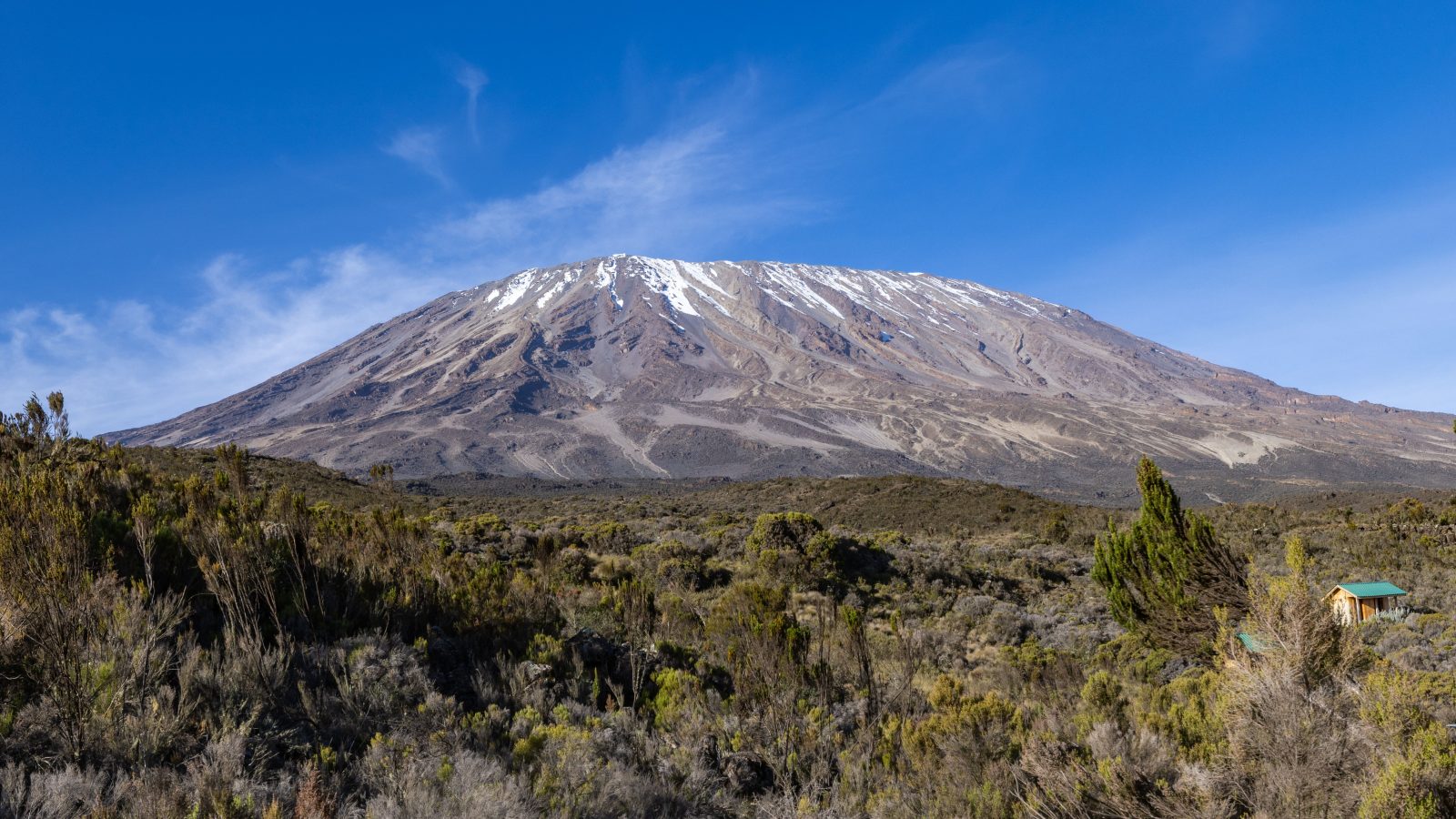
Climbing Mount Kilimanjaro is one of the world's greatest adventure travel experiences. Standing at 5,895 meters (19,341 feet) above sea level, Africa's highest mountain attracts thousands of climbers every year who dream of reaching Uhuru Peak. One of the first questions travelers ask is, "How much does it cost to climb Mount Kilimanjaro?"
The answer depends on several factors, including the route you choose, the number of climbing days, the size of your group, the level of accommodation, the quality of your guiding team, and what is included in your package.
As a Tanzania-based Kilimanjaro operator, Africantrust Safari believes travelers should understand exactly where their money goes. A well-priced climb is not simply about reaching the summit—it is about safety, experienced mountain guides, fair porter wages, high-quality equipment, nutritious meals, emergency preparedness, and responsible tourism practices.
Average Cost to Climb Mount Kilimanjaro
Most climbers should expect to pay approximately:
Budget climbs: USD $1,800–$2,300 per person
Mid-range climbs: USD $2,300–$3,500 per person
Luxury climbs: USD $3,500–$6,000+ per person
Prices vary according to route length, accommodation style (camping or huts), group size, and the services included in your package.
What Does the Price Include?
A professionally organized Kilimanjaro climb typically includes:
National park entry fees
Conservation and camping or hut fees
Licensed mountain guides
Assistant guides
Professional mountain porters
Mountain cooks
Airport transfers
Hotel accommodation before and after the climb
All meals on the mountain
Drinking water
Quality camping equipment (on camping routes)
Safety equipment, including oxygen cylinders and pulse oximeters
Daily health monitoring
Rescue support where required
Summit certificates after a successful climb
Understanding exactly what is included is essential when comparing operators, as the lowest advertised price may exclude important services.
Why Are Kilimanjaro Climbs Expensive?
A significant portion of your payment covers mandatory national park fees and the large support team required for every climb.
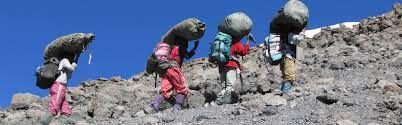
Every expedition involves licensed guides, assistant guides, cooks, and porters who transport tents, food, cooking equipment, safety gear, and personal luggage while ensuring the mountain remains clean and protected.
Responsible operators also invest in:
Regular guide training
Emergency medical equipment
Fair porter treatment
High-quality camping gear
Nutritious meals
Environmental conservation
Guest safety and evacuation planning
Choosing a reputable company supports ethical tourism and increases your chances of a safe, successful summit.
What Factors Affect the Cost?
Several factors influence the final price of a Kilimanjaro climb:
Route selection
Number of climbing days
Group size
Camping versus hut accommodation
Time of year
Equipment quality
Included hotel nights
Private or group departures
Airport transfers
Safety equipment
Porter welfare standards
Longer routes generally cost more because they require additional park fees, more food, extra staff support, and additional camping nights. However, they also provide better acclimatization and often lead to higher summit success rates.
Is It Worth Paying More?
For many travelers, the answer is yes.
A quality Kilimanjaro operator invests in experienced mountain guides, modern safety equipment, proper acclimatization schedules, nutritious meals, and ethical porter treatment. These factors contribute not only to a more enjoyable trek but also to a safer climb and a greater chance of reaching Uhuru Peak.
While budget operators may advertise lower prices, it's important to compare what is included rather than focusing only on the headline cost.
Our Local Recommendation
Based on years of organizing Kilimanjaro expeditions, we recommend choosing a 7- or 8-day route if your schedule allows. Longer itineraries improve acclimatization, reduce the risk of altitude sickness, and significantly increase summit success rates.
The Machame Route, Lemosho Route, and Northern Circuit Route are among the most popular choices because they combine spectacular scenery with excellent acclimatization profiles.
Rather than selecting the cheapest package, consider the overall value, including guide experience, safety standards, accommodation quality, group size, equipment, and the operator's commitment to responsible tourism.
By understanding how Kilimanjaro climbing costs are structured, you can choose an itinerary that fits your budget while ensuring a safe, rewarding, and unforgettable journey to the Roof of Africa.
Average Cost to Climb Mount Kilimanjaro in 2026–2027
The cost of climbing Mount Kilimanjaro in 2026–2027 typically ranges from US$1,800 to over US$6,000 per person, depending on the route, trip duration, accommodation, group size, and the services included. Budget climbs usually involve larger shared groups and basic camping equipment, while mid-range and luxury expeditions provide smaller groups, premium equipment, experienced mountain guides, comfortable hotel accommodation before and after the climb, and enhanced safety support. Although lower prices may seem attractive, comparing what is included in each package is essential to ensure you receive good value and a safe climbing experience.