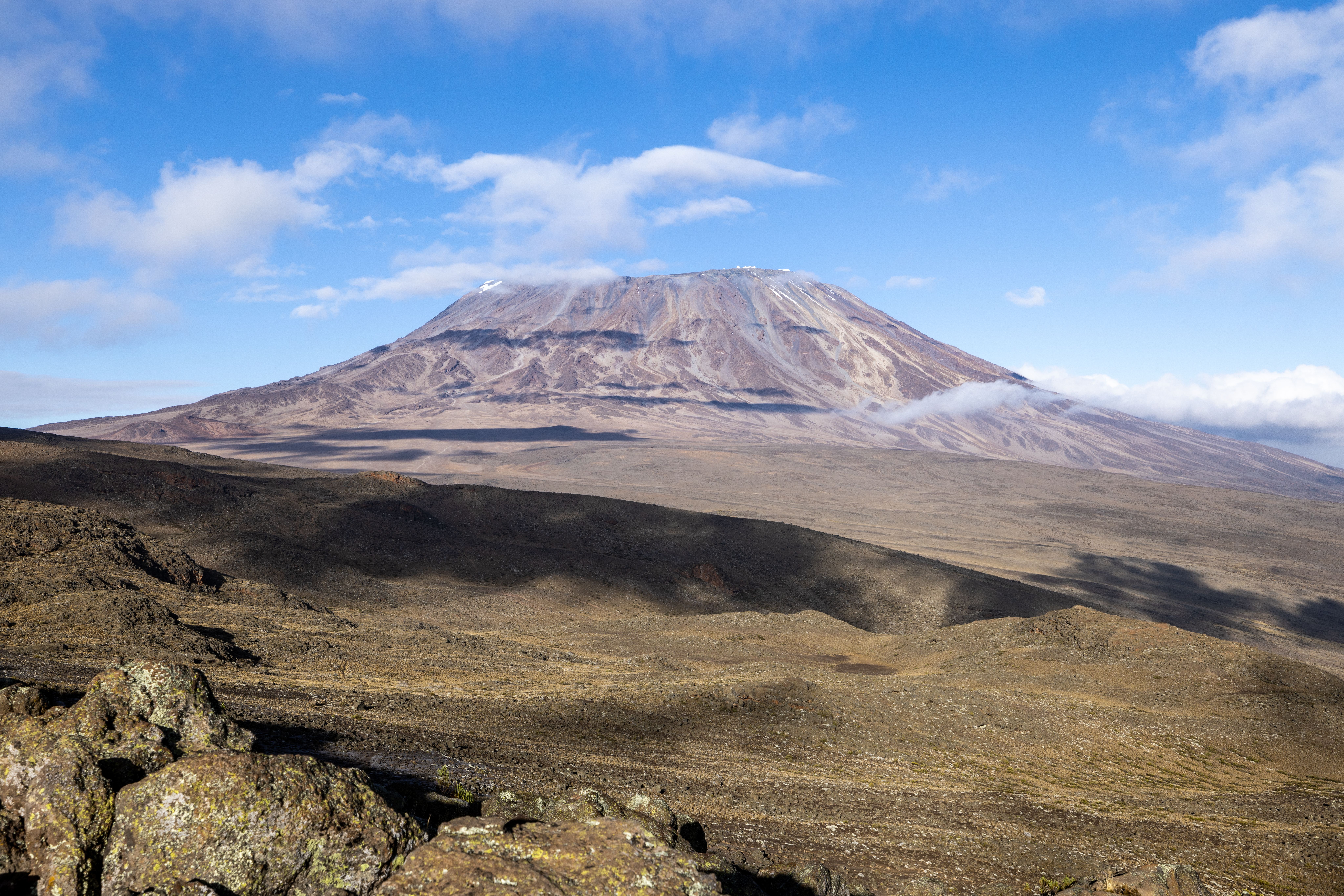
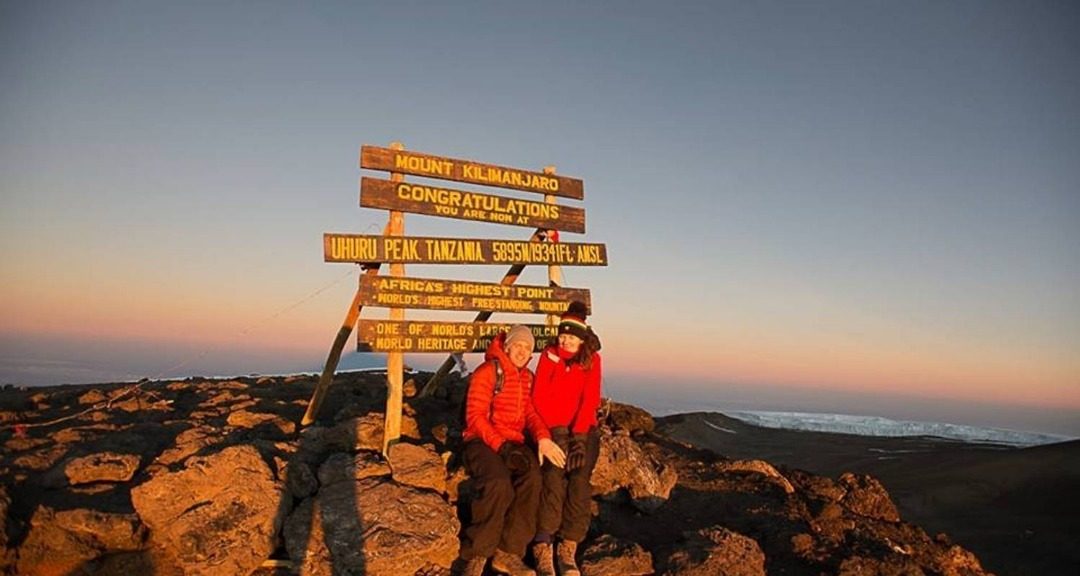
Standing at 5,895 meters (19,341 ft) above sea level, Mount Kilimanjaro is Africa's highest mountain and one of the world's most famous trekking destinations. Every year thousands of travelers arrive in Tanzania to pursue the dream of reaching Uhuru Peak.
But reaching the summit isn't simply about hiking uphill.
Choosing the wrong route, climbing too quickly, packing the wrong gear, or traveling during the wrong season can dramatically reduce your chances of success.
As a local Tanzanian tour operator that organizes Kilimanjaro expeditions every year, we've seen what helps climbers succeed—and what causes many people to turn around before reaching the summit.
This guide combines practical planning advice, local expertise, current 2026 travel information, and detailed route comparisons to help you make informed decisions before booking your Kilimanjaro climbing tour.
Why Climb Kilimanjaro in 2026?
2026 is an excellent year to climb Kilimanjaro because Tanzania continues to improve tourism infrastructure while maintaining strict conservation standards inside Kilimanjaro National Park.
Travelers can expect:
Professional licensed mountain guides
Improved mountain rescue coordination
Better camping equipment
Modern safety protocols
Daily health monitoring
Portable emergency oxygen
Pulse oximeter monitoring
Well-maintained trekking routes
Where is Mount Kilimanjaro?
Mount Kilimanjaro is located in northeastern Tanzania near the Kenyan border.
The mountain is approximately:
45 minutes from Kilimanjaro International Airport (JRO)
1 hour from Moshi
2 hours from Arusha
Most climbing expeditions begin from Moshi, where climbers spend one night before starting their trek.
Which Kilimanjaro Route Should You Choose?
Different routes offer different scenery, acclimatization opportunities, and summit success rates.
Lemosho Route
Best for:
First-time climbers
High summit success
Beautiful scenery
Better acclimatization
Duration:
7–8 Days
Success Rate:
Very High
Machame Route
Known as the "Whiskey Route."
Ideal for:
Active hikers
Great scenery
Good acclimatization
Popular choice
Recommended Duration:
7 Days
Rongai Route
Perfect for:
Dry northern slopes
Less crowded trails
Easier trekking conditions
Climbers during the rainy season
Northern Circuit
The longest and most scenic route.
Advantages include:
Highest success rate
Best acclimatization
Least crowded
Exceptional panoramic views
Marangu Route
Often called the "Coca-Cola Route."
Benefits:
Mountain huts instead of tents
Comfortable accommodation
Good for travelers preferring hut stays
Best Time to Climb Kilimanjaro
January to March
Advantages
Cooler temperatures
Fewer hikers
Snow near the summit
Beautiful photography conditions
Best for:
Experienced hikers and photographers.
June to October
This is the most popular climbing season.
Benefits include:
Dry weather
Clear skies
Better summit views
Excellent trail conditions
Ideal for first-time climbers.
November
Short rains begin.
Some routes remain excellent choices, particularly Rongai.
April and May
Heavy rains make climbing more challenging.
Unless you're specifically seeking quieter trails and are prepared for wet conditions, most travelers prefer other months.
How Difficult is Kilimanjaro?
Many people assume climbing Kilimanjaro requires technical mountaineering skills.
It does not.
No ropes or climbing equipment are needed on the standard trekking routes.
However, the challenge comes from:
High altitude
Cold temperatures
Long hiking days
Summit night
Limited oxygen
Good physical preparation significantly improves your chances of success.
Altitude Sickness: What Every Climber Should Know
Altitude affects every climber differently.
Common symptoms include:
Headache
Nausea
Fatigue
Loss of appetite
Dizziness
Professional guides monitor climbers daily using:
Pulse oximeters
Health questionnaires
Walking observations
If symptoms worsen, descending is always the safest decision.
How to Prepare for Kilimanjaro
Begin training at least 8–12 weeks before your climb.
Recommended activities include:
Long-distance walking
Hiking with elevation
Stair climbing
Cycling
Swimming
Strength training
Cardiovascular workouts
Consistency is more important than intensity.
What Does a Typical Day on the Mountain Look Like?
A normal trekking day includes:
Morning:
Breakfast
Health check
4–6 hours hiking
Afternoon:
Lunch
Rest
Acclimatization walk (when applicable)
Evening:
Dinner
Briefing
Early sleep
Summit day begins around midnight and is the most physically demanding part of the expedition.
Essential Packing List
Bring:
Waterproof jacket
Waterproof trousers
Insulated down jacket
Thermal clothing
Trekking boots
Trekking poles
Warm gloves
Headlamp
Sunglasses
Sleeping bag
Daypack
Duffel bag
Water bottles
Hydration bladder
Sunscreen
Lip balm
Personal medications
How Much Does Kilimanjaro Cost in 2026?
Prices vary depending on:
Route
Number of days
Group size
Accommodation
Season
Service level
Budget climbs generally start around US$1,800–2,300, while mid-range and premium expeditions often range from US$2,400–4,500+ depending on inclusions, route length, and logistics.
When comparing operators, look beyond price and consider guide experience, safety equipment, park fees, porter welfare, meals, and emergency preparedness.
Safety Standards We Recommend
When selecting a Kilimanjaro operator, verify that they provide:
Licensed mountain guides
Daily health monitoring
Emergency oxygen
Pulse oximeter checks
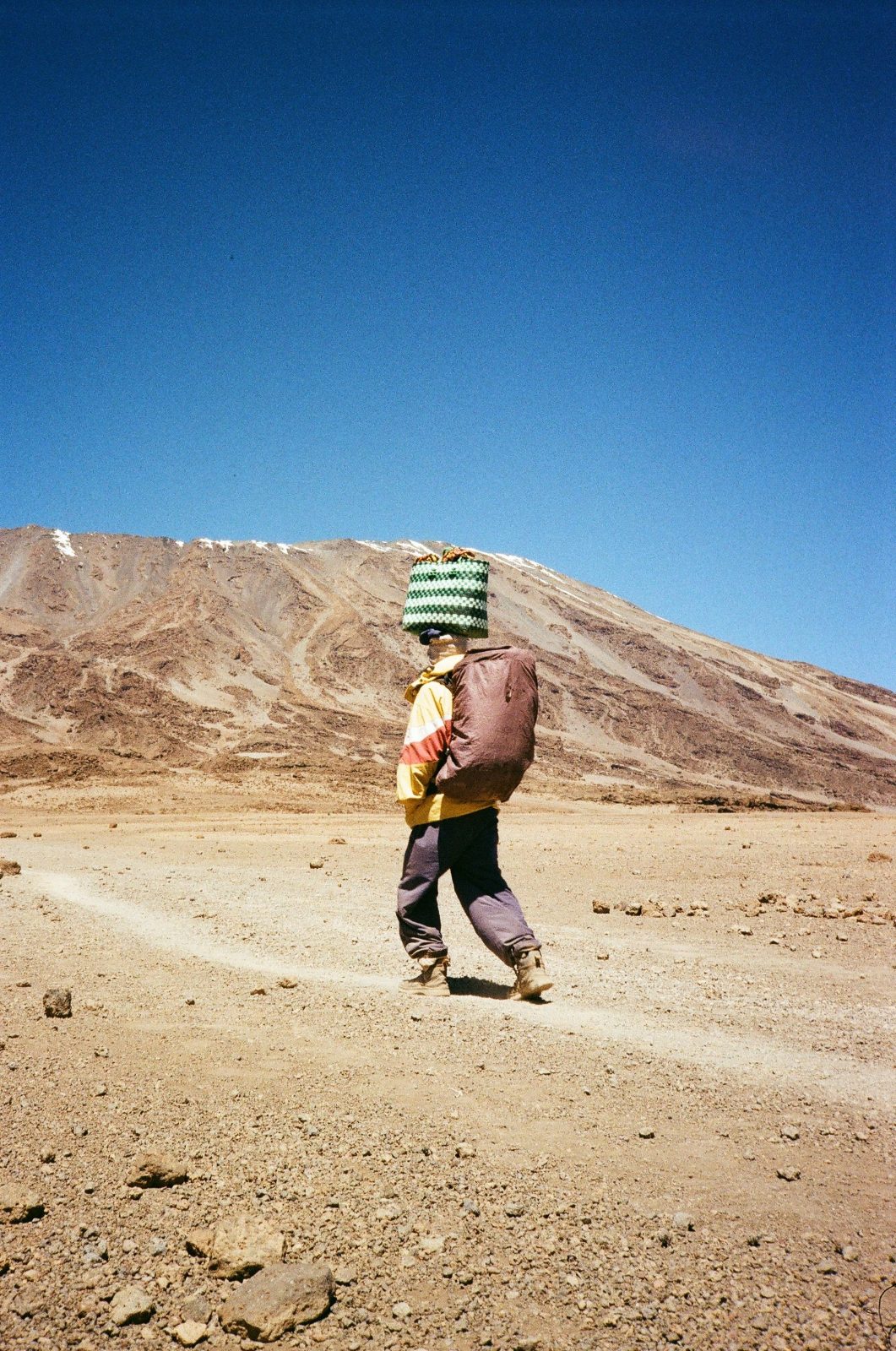
Well-trained porters
Quality camping equipment
Nutritious mountain meals
Reliable evacuation procedures
Responsible Tourism on Kilimanjaro
Responsible climbing helps preserve the mountain for future generations.
Choose operators that:
Follow Leave No Trace principles
Support fair porter treatment
Manage waste responsibly
Respect local communities
Employ experienced Tanzanian guides and crews
Frequently Asked Questions
How many days are best for climbing Kilimanjaro?
Seven to eight days generally provide better acclimatization and higher summit success than shorter itineraries.
Do I need previous climbing experience?
No. Most successful climbers are fit hikers without technical mountaineering experience.
What is the best route?
The Lemosho Route is often recommended for first-time climbers because it combines scenic landscapes with excellent acclimatization.
Can beginners climb Kilimanjaro?
Yes, with proper preparation, training, and an appropriate itinerary.
Is altitude sickness guaranteed?
No. While many climbers experience mild symptoms, gradual ascent, hydration, and experienced guides help reduce risks.
Final Thoughts
Climbing Mount Kilimanjaro is more than reaching Africa's highest summit—it's a journey through diverse ecosystems, from rainforest to alpine desert and finally the glaciers of Uhuru Peak. Careful planning, the right route, proper training, and a reputable local operator all contribute to a safer and more rewarding experience.
Whether you're planning your first high-altitude trek or returning for another adventure, a well-organized 2026 Kilimanjaro expedition can become one of the most memorable achievements of your lifetime.
Mount Kilimanjaro remains Africa's most iconic trekking destination and one of the world's highest free-standing mountains. In 2026, improved tourism services, experienced mountain crews, and enhanced safety standards make it an excellent year to plan your climb. Choosing a reputable local operator and an itinerary with sufficient acclimatization significantly improves your chances of reaching Uhuru Peak safely.