+255769013227 africantrustsafari@gmail.com
Moshi, Tanzania

Mt Kilimanjaro Climbing, Trekking and Hiking Tours | Africantrust Safari

Conquer Africa's Highest Peak Through Expertly Guided Kilimanjaro Adventures

Duration5–10 Days (Depending on Route Chosen)
Price FromUSD 1450
DestinationMount Kilimanjaro Kilimanjaro National Park Uhuru Peak Shira Plateau Barranco Wall Lava Tower
CategoryKilimanjaro Trekking

Overview

Conquer Africa’s Highest Peak with Mt Kilimanjaro Climbing Tours in Tanzania
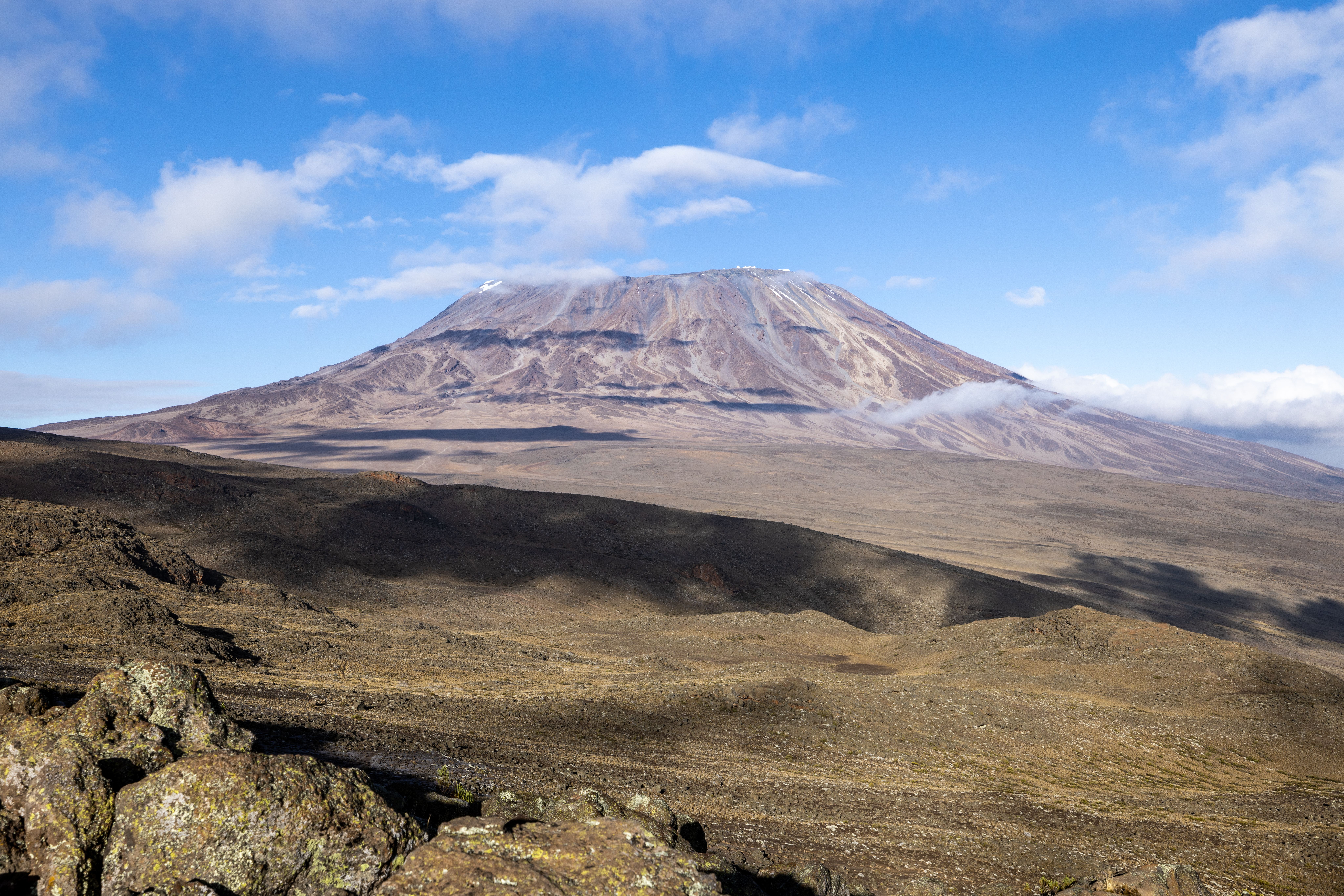
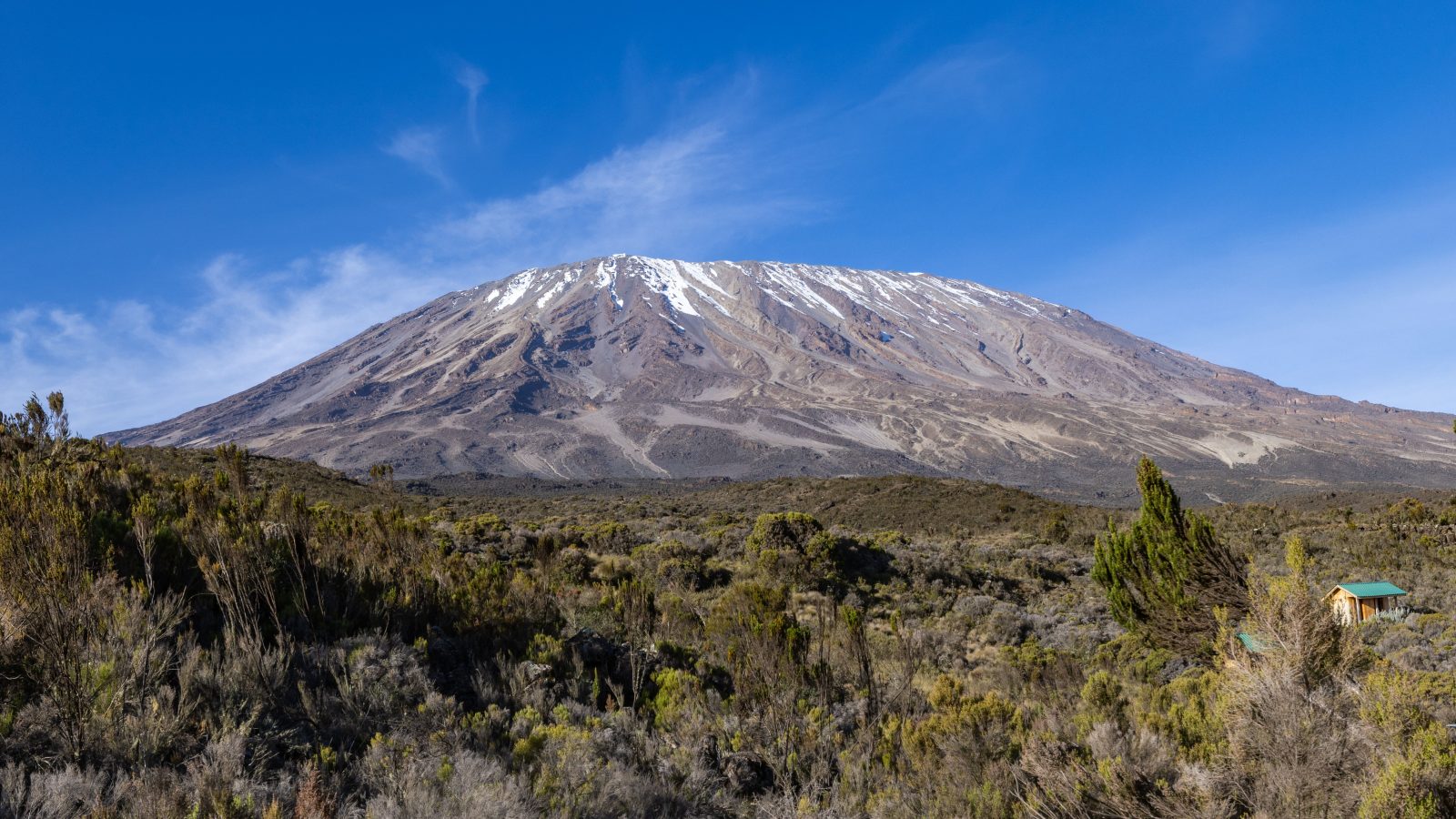
Climbing Mount Kilimanjaro is one of the most iconic adventure experiences in the world. Rising dramatically above the plains of Tanzania, this legendary mountain stands at 5,895 meters (19,341 ft), making it the highest free-standing mountain on Earth and the tallest peak in Africa. For travelers seeking a life-changing challenge combined with breathtaking natural beauty, Mt Kilimanjaro Climbing, Trekking and Hiking Tours offered by Africantrust Safari deliver an unforgettable journey to the “Roof of Africa.”
This adventure is not just a hike—it is a transformative expedition through five distinct ecological zones, ranging from lush tropical rainforest to arctic-like summit conditions. Each step brings you closer to Uhuru Peak, the ultimate goal of every climber.

Why Climb Mount Kilimanjaro?
Mount Kilimanjaro is unique because it requires no technical climbing skills, making it one of the few high-altitude summits in the world accessible to determined hikers with proper preparation. This makes it an ideal bucket-list adventure for beginners, experienced trekkers, honeymooners, charity climbers, and adventure seekers.
Unlike many mountain expeditions that require ropes, ice axes, or climbing experience, Kilimanjaro is a walkable mountain, yet still demands endurance, mental strength, and proper acclimatization due to its extreme altitude.

Climbers choose Kilimanjaro for several reasons:
It is Africa’s highest mountain
It is one of the Seven Summits challenge peaks
It offers multiple trekking routes for different fitness levels
It requires no technical climbing experience
It provides dramatic landscape diversity
It offers a safe, guided trekking system with expert support
Every year, thousands of international travelers come to Tanzania specifically to attempt this legendary ascent, making it one of the most sought-after trekking experiences on the planet.

The Journey Through Five Ecological Zones
One of the most remarkable aspects of Kilimanjaro trekking is the transition through five distinct ecological zones, each with its own climate, vegetation, and wildlife.

1. Cultivation Zone (Base Area)
The journey begins in fertile farmland surrounding Moshi. Here, coffee plantations, banana groves, and local villages reflect Tanzania’s rich agricultural heritage.

2. Rainforest Zone
As you enter Kilimanjaro National Park, dense rainforest surrounds the lower slopes. This zone is home to colobus monkeys, blue monkeys, exotic birds, and lush vegetation. Misty trails, towering trees, and vibrant plant life create a magical trekking environment.

3. Moorland Zone
Above the rainforest lies the moorland zone, characterized by giant heathers, lobelias, and surreal volcanic landscapes. The air becomes cooler and views expand dramatically across the mountain slopes.

4. Alpine Desert Zone
This harsh, rocky environment resembles a lunar landscape. Oxygen levels decrease significantly, and temperatures fluctuate dramatically between day and night. The terrain becomes more challenging but visually stunning.

5. Arctic Summit Zone
Near the summit, climbers enter an arctic-like environment with glaciers, ice fields, and freezing winds. This final stage leads to the ultimate goal—Uhuru Peak, the highest point in Africa.

Kilimanjaro Routes: Choosing the Right Path
Africantrust Safari offers carefully selected routes designed for different experience levels, acclimatization preferences, and time availability.

Machame Route (6–7 Days)
Known as the “Whiskey Route,” Machame is one of the most scenic and popular paths. It offers excellent acclimatization and high summit success rates.

Lemosho Route (7–8 Days)
The most recommended route for beginners and photographers due to its beauty, gradual ascent, and lower crowd levels.

Marangu Route (5–6 Days)
Also known as the “Coca-Cola Route,” this is the only route with hut accommodation instead of tents.

Rongai Route (6–7 Days)
Approaches from the northern side, offering a drier climate and fewer crowds.

Northern Circuit Route (8–9 Days)
The longest and most successful route, providing excellent acclimatization and 360-degree mountain views.

Umbwe Route (5–6 Days)
The steepest and most challenging route, recommended for experienced trekkers.
Each route offers a unique perspective of the mountain and contributes to a different trekking experience.
Wildlife and Natural Encounters on Kilimanjaro
Although Kilimanjaro is primarily a trekking destination, it is also home to diverse wildlife, especially in the rainforest zone.

Climbers may encounter:
Colobus monkeys swinging through trees
Blue monkeys along forest trails
Bush babies at night
Exotic bird species
Rare medicinal plants
The mountain’s lower slopes are part of a rich ecosystem that blends seamlessly into the surrounding Tanzanian wilderness.
The Challenge of Altitude and Acclimatization
One of the most important aspects of Kilimanjaro trekking is altitude management. As climbers ascend, oxygen levels decrease, making acclimatization essential for summit success.

Africantrust Safari designs itineraries that follow a “climb high, sleep low” strategy, allowing the body to adapt gradually.
Common altitude symptoms include:
Headaches
Fatigue
Mild nausea
Shortness of breath
Proper hydration, slow pacing, and expert guidance significantly increase summit success rates.

Summit Night – The Ultimate Test
The most challenging and rewarding part of the journey is summit night. Climbers typically begin their final ascent around midnight from camps such as Barafu Camp or Kibo Hut.
In freezing temperatures and darkness, trekkers climb steep volcanic slopes under a sky full of stars. The silence of the mountain is broken only by footsteps and the guidance of experienced mountain guides.
As the sun rises, climbers reach:

Uhuru Peak
Standing at the roof of Africa is an emotional and unforgettable moment. The panoramic view above the clouds, the glaciers, and the vast African plains below create one of the most powerful achievements in adventure travel.

Accommodation on Kilimanjaro
Accommodation varies depending on the route:
Mountain tents (Machame, Lemosho, Rongai, Umbwe, Northern Circuit)
Shared mountain huts (Marangu Route)

All camping equipment is provided by Africantrust Safari, including:
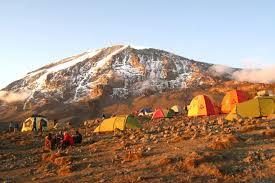
Sleeping tents
Dining tents
Comfortable mattresses
Professional cooking services
Porters and guides ensure all logistics are handled smoothly so climbers can focus entirely on the journey.

Safety and Professional Support
Safety is a top priority on every Kilimanjaro expedition. Africantrust Safari provides:
Certified mountain guides
Emergency oxygen systems
First aid kits
Communication devices
Daily health monitoring
Rescue coordination with Kilimanjaro National Park authorities
Our guiding teams are highly experienced in altitude management and mountain safety protocols.

Why Choose Africantrust Safari?
Africantrust Safari is committed to delivering safe, professional, and memorable Kilimanjaro climbing experiences.

Key advantages include:
Experienced local mountain guides
High summit success rates
Ethical porter treatment
Well-planned acclimatization routes
Quality camping equipment
Personalized service
Affordable pricing options
Strong safety standards

Our mission is simple:
Explore Africa with confidence and trust.
Tour Information

Starting Location: Moshi, Kilimanjaro Region, Tanzania

Ending Location: Moshi, Kilimanjaro Region, Tanzania

Best Time To Visit: January – March Excellent visibility, fewer crowds, cooler temperatures. June – October Peak climbing season with stable weather and excellent summit conditions. December Popular holiday climbing season with clear mountain views.

Tour Type: Mountain Climbing Expedition Guided Trekking Tour Adventure Travel Experience High-Altitude Hiking Tour

Difficulty: Moderate to Challenging No technical climbing skills are required, but physical fitness, determination, and proper acclimatization are essential.

Group Size: Recommended: Private Climbs: 1–12 travelers Small Groups: 2–10 travelers Large Groups: 10–20 travelers

Child Policy: Recommended minimum age: 10 years Ages 10–15 require parental supervision Fitness assessment recommended for younger climbers

Tour Highlights

  • Summit of Africa – Uhuru Peak Achievement Reaching Uhuru Peak is the ultimate goal of every Kilimanjaro expedition. Standing at 5,895 meters above sea level, climbers experience a sense of achievement unlike any other. The summit marks not only the highest point in Africa but also one of the most emotionally powerful moments in global adventure travel. As the sun rises over the horizon, illuminating glaciers and casting golden light over the African plains, climbers realize the magnitude of their journey. This moment symbolizes endurance, determination, and triumph over physical and mental challenges.
  • Five Ecological Zones Experience Kilimanjaro offers a rare opportunity to experience five distinct ecological zones in a single journey. From lush rainforest filled with wildlife to barren alpine deserts and icy summit conditions, the mountain presents constantly changing environments. Each zone introduces new landscapes, temperatures, and biodiversity, making the climb both visually and physically dynamic. This ecological diversity is one of the reasons Kilimanjaro is recognized as one of the most unique mountains in the world.
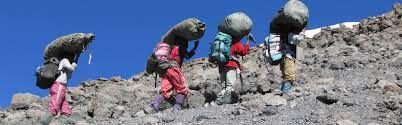
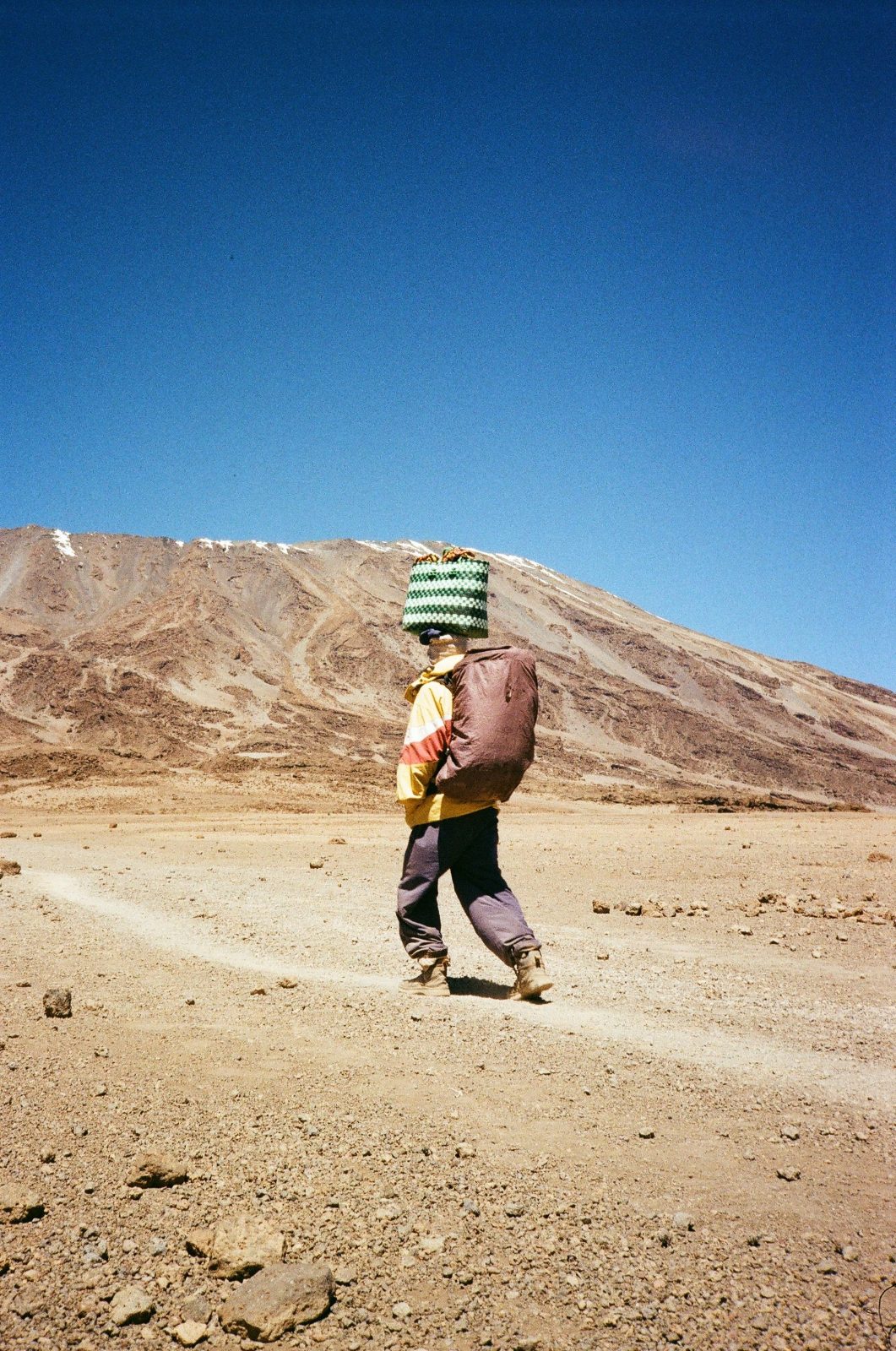
  • Professional Guided Trekking Support Every expedition is led by professional, certified mountain guides with extensive experience in high-altitude trekking. These guides monitor climber health, provide safety instructions, manage pacing, and ensure proper acclimatization. Their knowledge of the mountain significantly increases summit success rates. Porters support the expedition by carrying equipment, setting up camps, and ensuring comfort throughout the climb, allowing trekkers to focus entirely on the journey.
  • High Summit Success Strategy Africantrust Safari uses carefully designed itineraries that maximize acclimatization and reduce altitude-related risks. Longer routes such as Lemosho and Northern Circuit provide gradual ascent profiles that significantly improve summit success chances. Strategic rest points, hydration plans, and guide monitoring contribute to safe and successful climbs.
  • Cultural and Natural Connection Beyond the physical challenge, Kilimanjaro offers a deep connection to Tanzanian culture and nature. Climbers begin their journey in Moshi, a vibrant town surrounded by coffee farms and Chagga communities. Along the trail, trekkers experience the harmony between local culture and natural conservation. This blend of human heritage and wilderness creates a truly meaningful adventure.
  • Photography opportunities across landscapes
  • Bucket-list adventure experience
  • UNESCO World Heritage mountain
  • Porters carrying expedition equipment
  • Camping under African night skies
  • Stunning sunrise summit experience
  • Wildlife encounters in rainforest zone
  • Safe altitude acclimatization plans
  • High summit success rate itineraries
  • Professional certified mountain guides

Gallery

Day-by-Day Itinerary

Day 1

Machame Gate to Machame Camp – Entering the Rainforest Zone

Meals Lunch, Dinner, Drinking Water Activities Registration at Kilimanjaro National Park gate Rainforest trekking Wildlife observation Photography of flora and fauna Orientation briefing by guides Distance & Time Distance: ~11 km Hiking Time: 5–7 hours Elevation: 1,800m to 3,000m Detailed Description Your Kilimanjaro adventure begins early in the morning after departure from Moshi. After a scenic drive to Machame Gate, you complete registration formalities before entering the lush rainforest zone of Mount Kilimanjaro. The trail immediately immerses you in dense green vegetation, humid air, and the sounds of exotic birds and monkeys. This lower section of the mountain is rich in biodiversity. You may encounter black-and-white colobus monkeys swinging through the canopy, blue monkeys along the trail, and colorful bird species unique to East Africa. The forest is thick, misty, and magical, creating a true jungle trekking experience. As you ascend gradually, the trail becomes steeper and wetter due to frequent rainfall in this zone. Your guides and porters maintain a steady pace to ensure proper acclimatization. Upon arrival at Machame Camp, tents are set up by the support team, and hot meals are served while you rest and enjoy your first night on the mountain.

Accommodation: Machame Camp (Mountain Tents)
Day

Machame Camp to Shira Camp – Transition to Moorland Zone

Meals Breakfast, Lunch, Dinner Activities Steep ascent out of rainforest Scenic viewpoints Shira Plateau exploration Altitude acclimatization hike Distance & Time Distance: ~5–7 km Hiking Time: 4–6 hours Elevation: 3,000m to 3,840m Detailed Description After breakfast, the trail becomes steeper as you leave the rainforest and enter the moorland zone. Vegetation changes dramatically, replaced by giant heathers, volcanic rock formations, and wide-open landscapes. As you gain altitude, views open up across the surrounding plains of Tanzania. On clear days, you can see distant landscapes stretching toward the horizon. This section is important for acclimatization, and your guide may introduce a “hike high, sleep low” strategy. Shira Camp sits on the ancient Shira Plateau, one of the oldest volcanic formations on Kilimanjaro. The environment here is colder and windier, marking your transition into higher altitude trekking conditions.

Accommodation: Shira Camp
Day 3

Shira Camp to Lava Tower and Barranco Camp – Acclimatization Day

Meals Breakfast, Lunch, Dinner Activities Climb to Lava Tower High-altitude acclimatization Descent to Barranco Valley Scenic photography Distance & Time Distance: ~10 km Hiking Time: 6–8 hours Elevation: 3,840m to 4,600m (Lava Tower) then down to 3,900m Detailed Description Today is one of the most important days for acclimatization. You ascend steadily toward Lava Tower, a dramatic volcanic formation that rises from the mountain landscape. This high-altitude exposure helps your body adjust to reduced oxygen levels. After lunch near Lava Tower, you descend into the lush Barranco Valley, which offers one of the most beautiful camping locations on Kilimanjaro. The Barranco Camp is surrounded by giant senecio plants and towering cliffs. This “climb high, sleep low” strategy greatly improves summit success chances.

Accommodation: Barranco Camp
Day 4

Barranco Camp to Karanga Camp – The Great Barranco Wall

Meals Breakfast, Lunch, Dinner Activities Climb Barranco Wall Ridge hiking Valley crossing Scenic viewpoints Distance & Time Distance: ~5 km Hiking Time: 4–5 hours Elevation: 3,900m to 4,000m Detailed Description The day begins with an exciting climb up the famous Barranco Wall. Despite its intimidating appearance, the wall is a non-technical scramble that offers thrilling views and a sense of achievement. After conquering the wall, the trail continues through rolling ridges and valleys. The scenery is spectacular, with views of glaciers, valleys, and distant peaks. You arrive at Karanga Camp in the afternoon for rest and acclimatization hikes.

Accommodation: Karanga Camp
Day 5

Karanga Camp to Barafu Camp – Base for Summit Attempt

Meals Breakfast, Lunch, Dinner Activities Alpine desert trekking Final summit preparation Equipment check Rest and early sleep Distance & Time Distance: ~4 km Hiking Time: 4–5 hours Elevation: 4,000m to 4,673m Detailed Description The trail becomes increasingly barren as you enter the alpine desert zone. Oxygen levels drop significantly, and temperatures become colder. You arrive at Barafu Camp, the final base before summit night. Here, guides prepare climbers for the midnight ascent to Uhuru Peak. Early rest is essential because the summit attempt begins around midnight.

Accommodation: Barafu Camp
Day 6

Summit Day – Barafu Camp to Uhuru Peak and Descend to Mweka Camp

Meals Breakfast, Lunch, Dinner Activities Midnight summit ascent Sunrise at Uhuru Peak Glacier views Descent to camp Distance & Time Ascent: 6–8 hours Descent: 6–7 hours Elevation: 4,673m to 5,895m (Uhuru Peak) Detailed Description This is the most challenging and rewarding day. Climbers begin the ascent in darkness, moving slowly under the guidance of expert mountain guides. After hours of trekking, you reach: Uhuru Peak At sunrise, the sky transforms into breathtaking colors, revealing glaciers and the vast African landscape below. After celebrating, you begin the long descent to Mweka Camp.

Accommodation: Mweka Camp
Day 7

Mweka Camp to Mweka Gate – Return to Moshi

Meals Breakfast, Lunch Activities Final descent Certificate collection Transfer to Moshi Celebration Distance & Time Distance: ~10 km Hiking Time: 3–4 hours Elevation: 3,100m to 1,640m Detailed Description The final descent takes you through lush rainforest once again. The air becomes warmer as you approach Mweka Gate. At the gat, climbers receive summit certificates before transferring back to Moshi. This marks the successful completion of your Kilimanjaro expedition.

Accommodation: Hotel in Moshi (End of Trek)

FAQ

The cost ranges from USD 1,450 to 3,800+ per person depending on route, duration, group size, and accommodation style (budget, mid-range, or luxury camping).

The Lemosho and Northern Circuit routes are considered best due to high success rates and excellent acclimatization profiles.

It is a non-technical but physically demanding trek. The main challenge is altitude rather than climbing skills.

Yes. With proper preparation, training, and guided support from Africantrust Safari, beginners can successfully summit.

Typically 5 to 9 days, depending on the chosen route.

Success rates range from 60% to 95%, with longer routes having higher success.

The highest point is Uhuru Peak at 5,895 meters.

Yes. All climbers are required by law to use certified guides.

It is a condition caused by reduced oxygen at high elevations, leading to headaches, nausea, and fatigue.

Travel Tips

  • Walk slowly (“pole pole”) to avoid altitude sickness
  • Drink at least 3 liters of water daily
  • Train before your climb
  • Pack light but smart
  • Layer your clothing properly
  • Layer your clothing properly
  • Use trekking poles for stability
  • Follow your guide’s instructions
  • Sleep early on summit night
RELATED TOURS

Similar Tour Packages

Automatically selected by category or destination.

7 Days Machame Route Kilimanjaro Climb | Best Tanzania Trekking Safari Package
Kilimanjaro Trekking

7 Days Machame Route Kilimanjaro Climb | Best Tanzania Trekking Safari Package

The 7 Days Machame Route Kilimanjaro Climb is one of the most popular and scenic Mount Kilimanjaro trekking routes in Tanzania, high...

USD 18507 days/6 nights kilimanjaro trek
Read More
Mt Kilimanjaro Machame Route 8 Days Climb – Ultimate 2026 Trekking Adventure
Kilimanjaro Trekking

Mt Kilimanjaro Machame Route 8 Days Climb – Ultimate 2026 Trekking Adventure

Mt Kilimanjaro Machame Route 8 Days Climb – Ultimate Tanzania Trekking Adventure Discover the Most Scenic Route to the Roof of Af...

USD 21508 Days / 7 Nights
Read More
Kilimanjaro Climb Packages - Private & Small Group Treks
Kilimanjaro Trekking

Kilimanjaro Climb Packages - Private & Small Group Treks

Mount Kilimanjaro is one of the world's most iconic trekking destinations and the highest mountain in Africa, rising to 5,895 meters...

USD 18506–9 Days (Depending on Route Selected)
Read More